


1974 Main Stage audio from the artist Humphrey and the Dumptrucks.
A Folk Legacy Begins
A Grassroots Gathering that has Defined Generations
It was 1974, and festivalgoers arrived at the first-ever Winnipeg Centennial Folksong Festival — or, for some, a free Bruce Cockburn concert at Birds Hill Provincial Park. Fiddles, mandolins, and drums filled the warm August air as thousands gathered, united by a shared love of folk music and everything it represented. This was the birth of the Winnipeg Folk Festival, an event that would come to define Winnipeg’s music scene and foster a close-knit community of folkies for decades to come.
What began as a grassroots gathering quickly grew into a highly anticipated annual celebration, drawing music lovers from all over to Birds Hill Provincial Park. With only four stages and a 42-act lineup, the Festival captured the spirit of the folk music revival sweeping across North America.
Throughout the weekend, attendees grabbed food from the Kinsmen Club of Fort Garry or the Cherry Tree — or maybe just a snack from the popcorn machine. They took in a workshop — new to Manitoba but a long-standing tradition at folk gatherings across the continent. Some sat right next to the stage, chatted with artists after their sets, or got roped in by a friend to help out. And just like that, they became volunteers.
The notoriously unpredictable weather didn’t deter anyone. One day, festivalgoers huddled under tarps and umbrellas to escape the downpour while volunteers gripped the poles of the Main Stage canopy, battling winds that threatened to bring it down. The next day, they baked beneath a blazing sun that turned grass to gold beneath dancing feet. But no matter the weather, everyone was simply glad to be there.
The sense of community that came to define Folk Fest was already taking shape — a place where trust was instinctive and thousands of strangers looked out for each other all weekend long. By 1976, the Winnipeg Folk Festival had already been recognized as one of North America’s premier folk music celebrations, setting the stage for years of growth and transformation.
After experiencing the extraordinary music and magical atmosphere of those early festivals, many attendees felt inspired to return — not just as fans, but as volunteers. They learned on the fly: flipping burgers for the first time, managing logistics, and forming lasting friendships along the way. It became a yearly reunion — a chance to reconnect with people they only saw during this weekend, picking up conversations where they had left off the year before.
The 1970s were a decade of world-building and identity creation. The Winnipeg Folk Festival laid the foundation for its future success and symbolized a broader movement — one that celebrated folk music, community, and a shared connection to tradition and creativity.
It was only the beginning.
Gallery
Check out photos from the past. Click to enlarge the image and get more information.


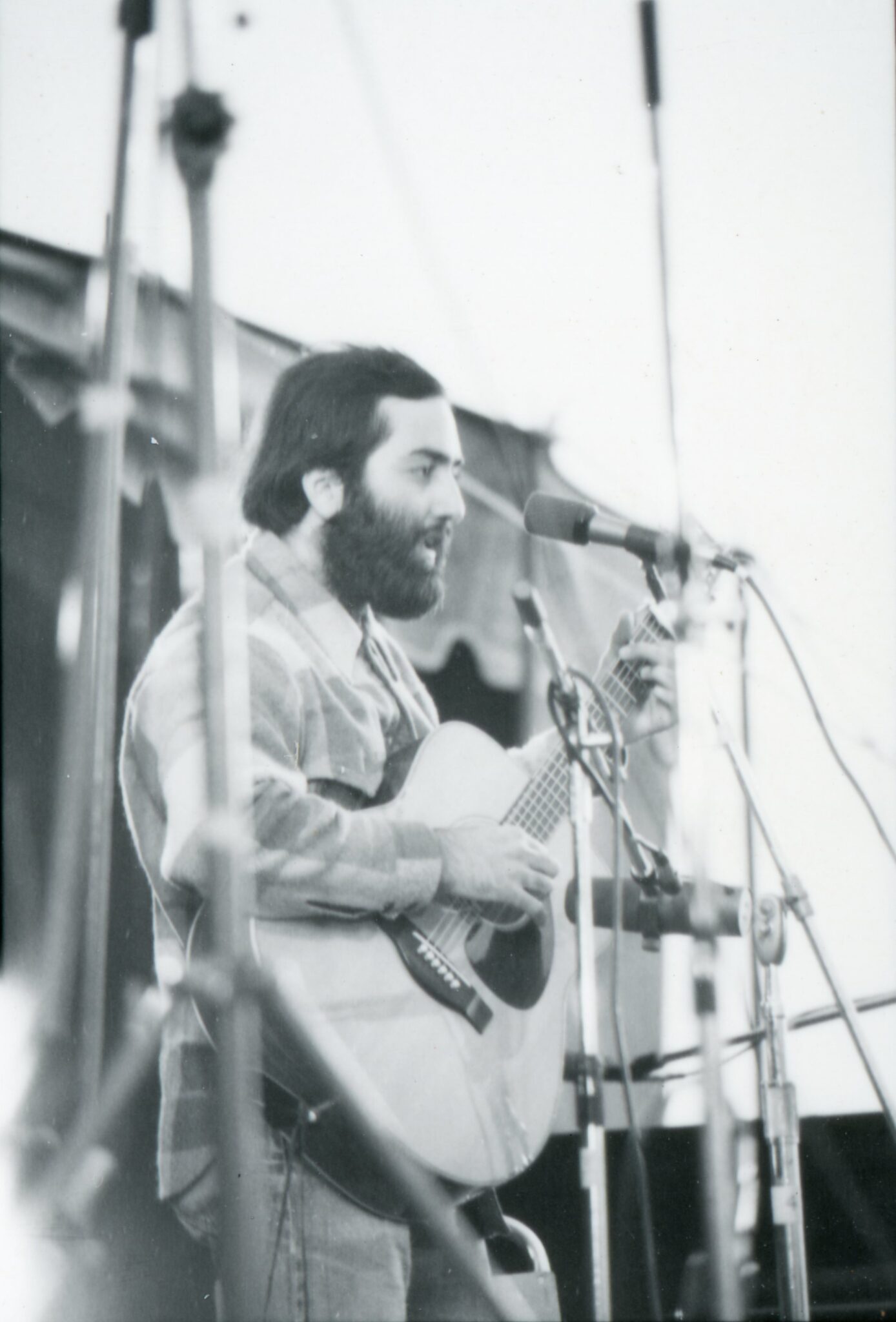
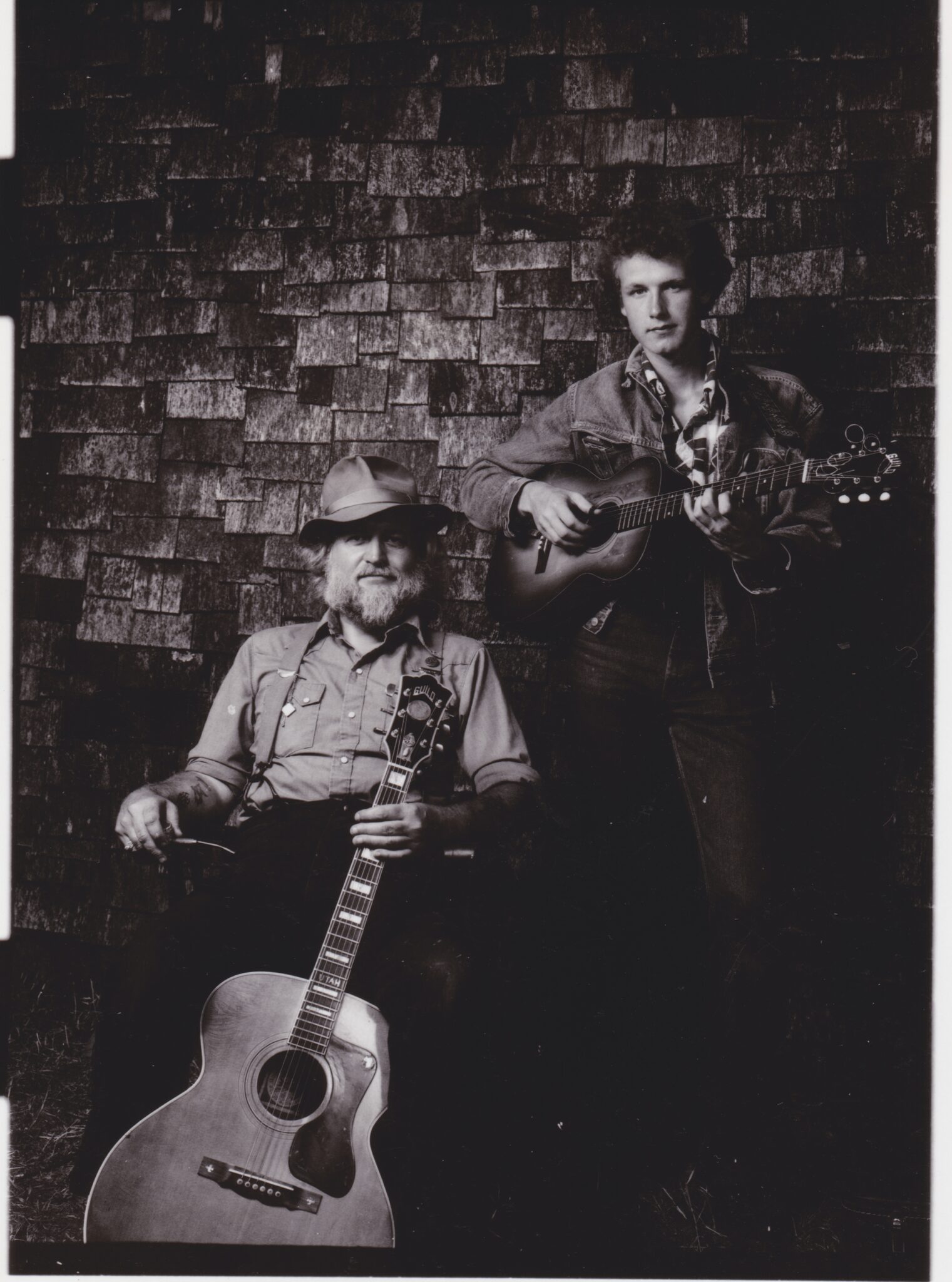
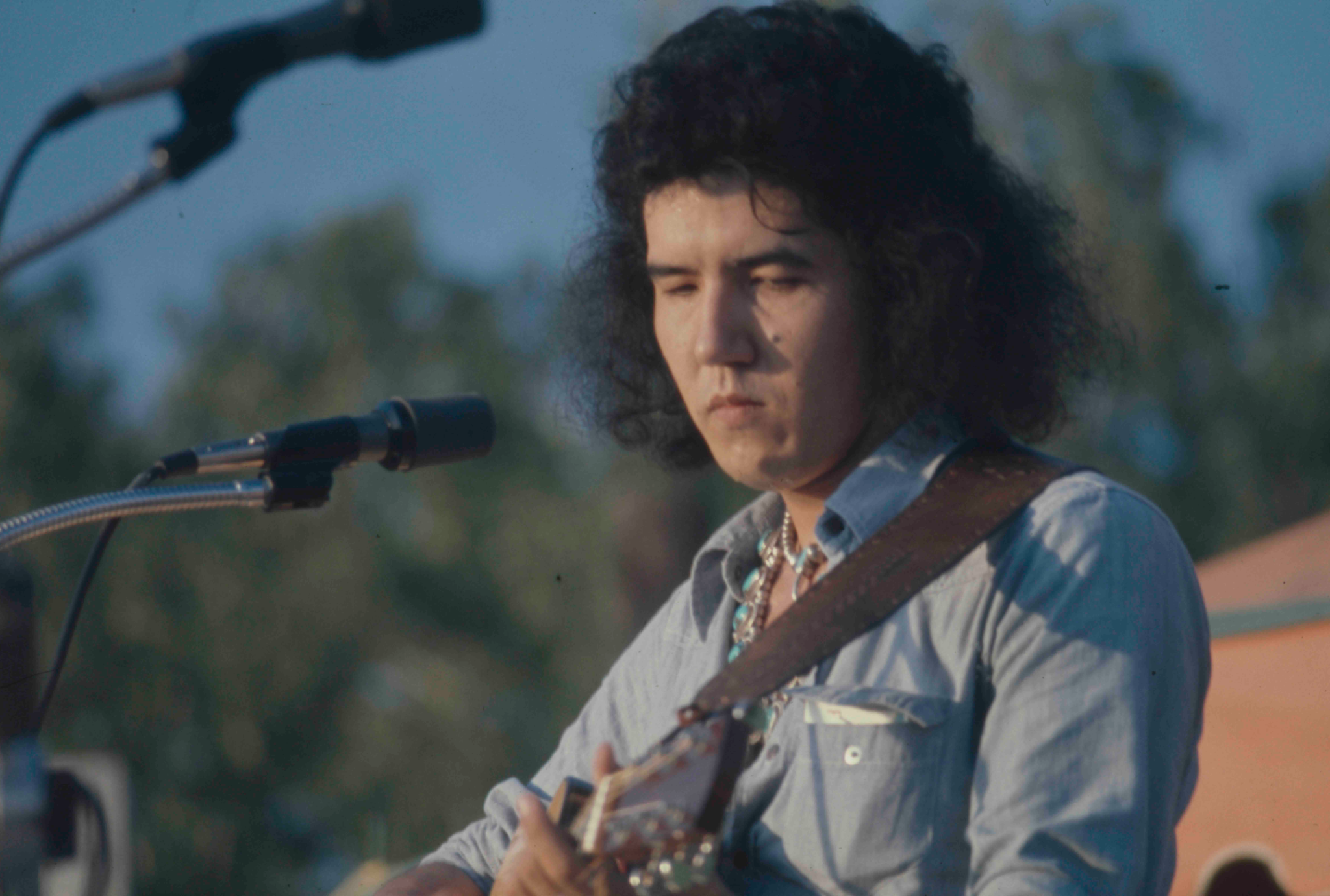
Photographers:
David Landy, Gerry Kopelow, John Bachmann, J. Wyne, Michael Fedun, and Robert Barrow
Timeline
Keep scrolling for some select highlights from over the years.
1974
1st Edition – August 9-11
3 Days
4 Stages
30,000+ Attendees
42 Artists
48 Volunteers
9 Crews
1 Food Vendors
15 Hand-Made Village Artisans
11 Staff
Artistic Director: Mitch Podolak
Fun Facts
- Mitch Podolak, Ava Kobrinksy and Colin Gorrie launched the Winnipeg Centennial Folk Festival at Birds Hill Park.
- With a budget of $77,000, 42 acts were booked including Bruce Cockburn, Leon Redbone, and Murray McLauchlan.
- The Festival was held at a site north of Birds Hill Lake.
- The Folklore Centre opened and ran until 1978. This centre sold instruments and folk music products in Osborne Village.
1975
2nd Edition - July 18-20
3 Days
5 Stages
57 Artists
162 Volunteers
13 Crews
1 Food Vendor
22 Hand-Made Village Artisans
18 Staff
Artistic Director: Mitch Podolak
Fun Facts
- The Festival moved to the current Festival site.
- Campground was located in the field east of the Bird's Hill Provincial Park Campground.
- Children's workshops were added to the schedule.
- Indigenous programming was introduced to the lineup.
1976
3rd Edition – July 9-11
3 Days
5 Stages
22,700+ Attendees
69 Artists
162 Volunteers
13 Crews
2 Food Vendors
33 Hand-Made Village Artisans
17 Staff
Artistic Director: Mitch Podolak
Fun Facts
- Festival found its weekend home during the second weekend in July.
- Expanded programming to year-round venues with 20 folk music concerts and workshops around Winnipeg, including one at Stony Mountain Penitentiary.
- Tom Jackson was named the Co-Artistic Director for Indigenous Programming.
1977
4th Edition – July 8-10
3 Days
5 Stages
24,000+ Attendees
64 Artists
164 Volunteers
13 Crews
2 Food Vendors
33 Hand-Made Village Artisans
15 Staff
Artistic Director: Mitch Podolak
General Manager: Bill Merritt
Fun Facts
- Year-round programming is officially added to the organization through a winter concert series and the beginning of a folk music in schools outreach program.
1978
5th Edition – July 7-9
3 Days
7 Stages
21,000+ Attendees
79 Artists
178 Volunteers
13 Crews
4 Food Vendors
44 Hand-Made Village Artisans
16 Staff
Artistic Director: Mitch Podolak
General Manager: Bill Merritt
Fun Facts
- This year celebrated the Festival’s 5th anniversary.
- Two more daytime stages were added to the Festival site.
- This was the coldest Festival on record with a mean temperature of +14°C.
1979
6th Edition – July 6-8
3 Days
7 Stages
30,000+ Attendees
83 Artists
276 Volunteers
15 Crews
4 Food Vendors
37 Hand-Made Village Artisans
19 Staff
Artistic Director: Mitch Podolak
Associate Director: Rosalie Goldstein
General Manager: Bill Merritt
Fun Facts
- The Children's Village was established.
- Expanded to 16 volunteer crews.
- Hosted a preview concert in Old Market Square (Exchange District, Winnipeg).
Through The Years
Explore past Festival posters, program books, and artist lineups.


You must be logged in to post a comment.