


In Full Bloom
Music, Magic, and Community
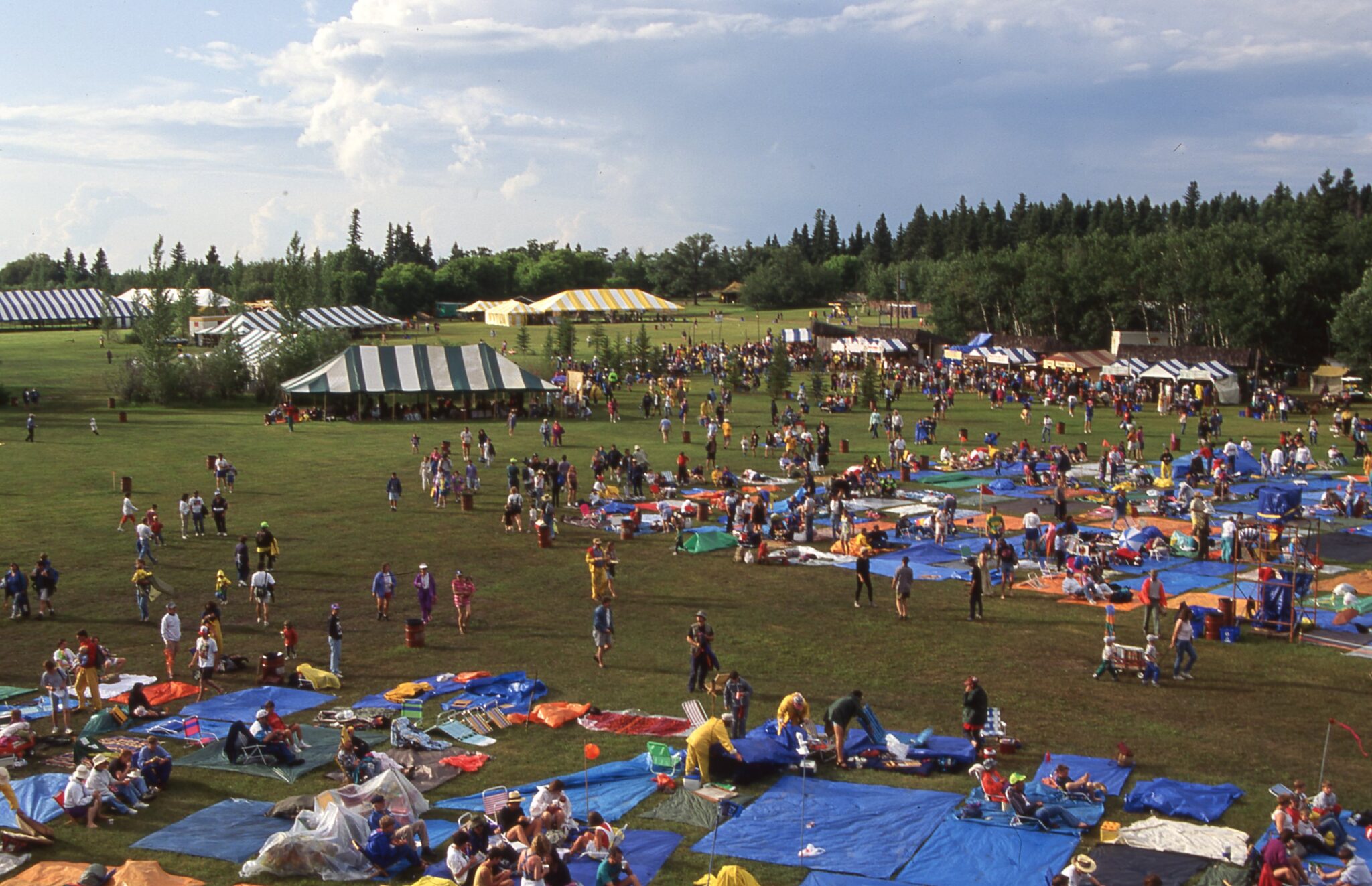
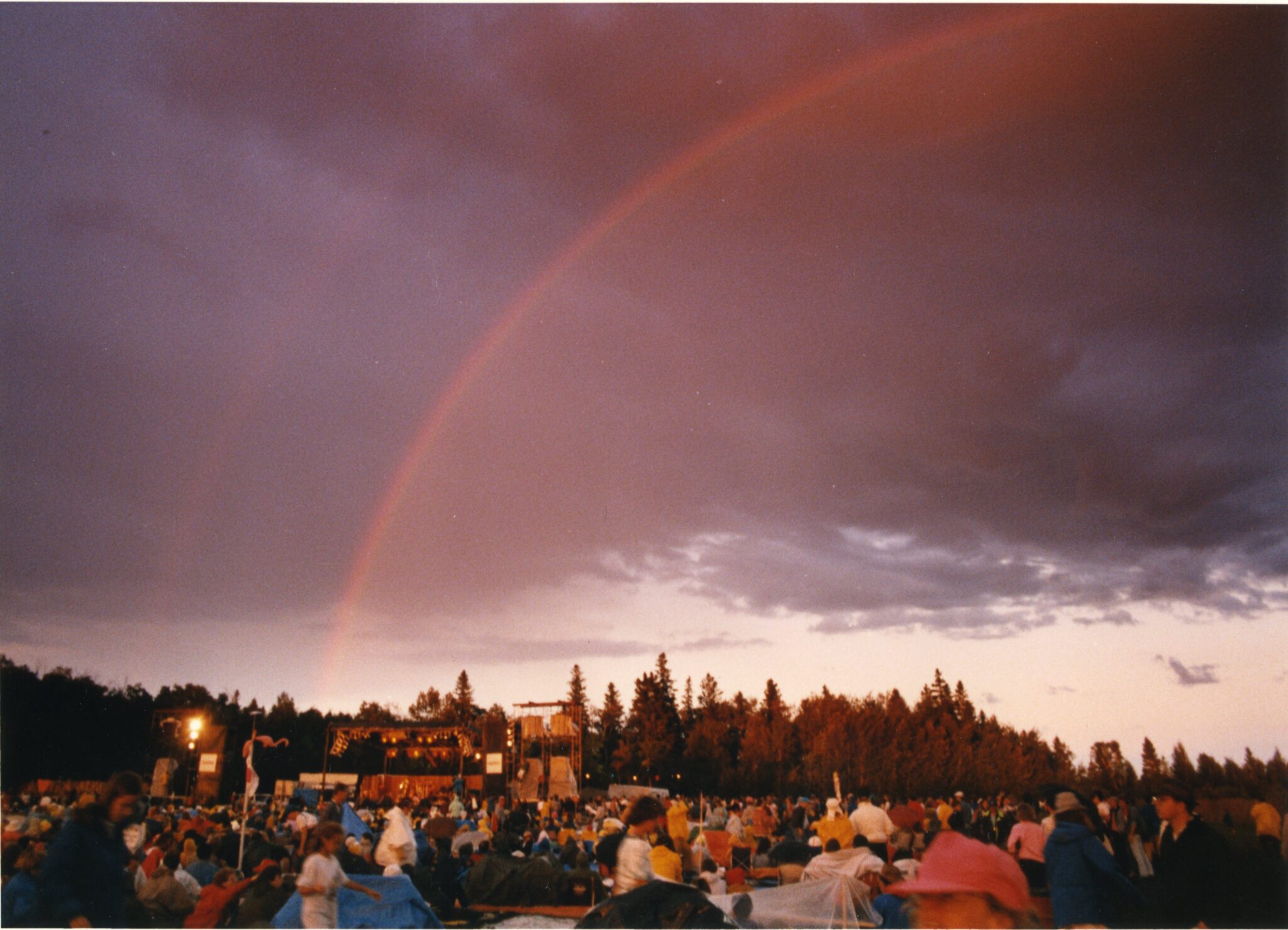
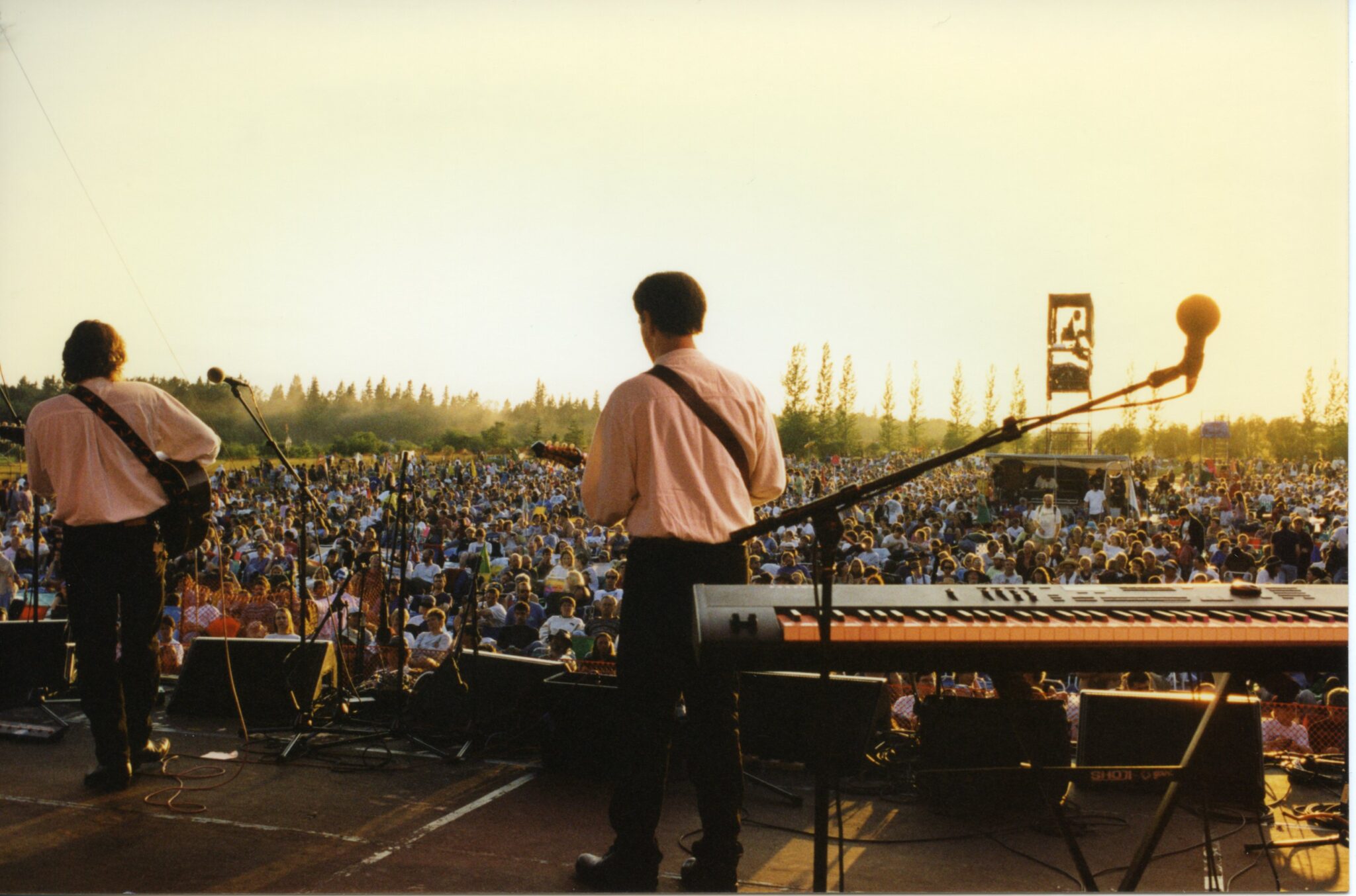
The sun dipped over Bird’s Hill Park, painting the sky behind the planted trees in pink and orange as festivalgoers settled in on blankets, entering another decade of the Winnipeg Folk Festival together. The crowd felt bigger than before, but the energy remained the same.
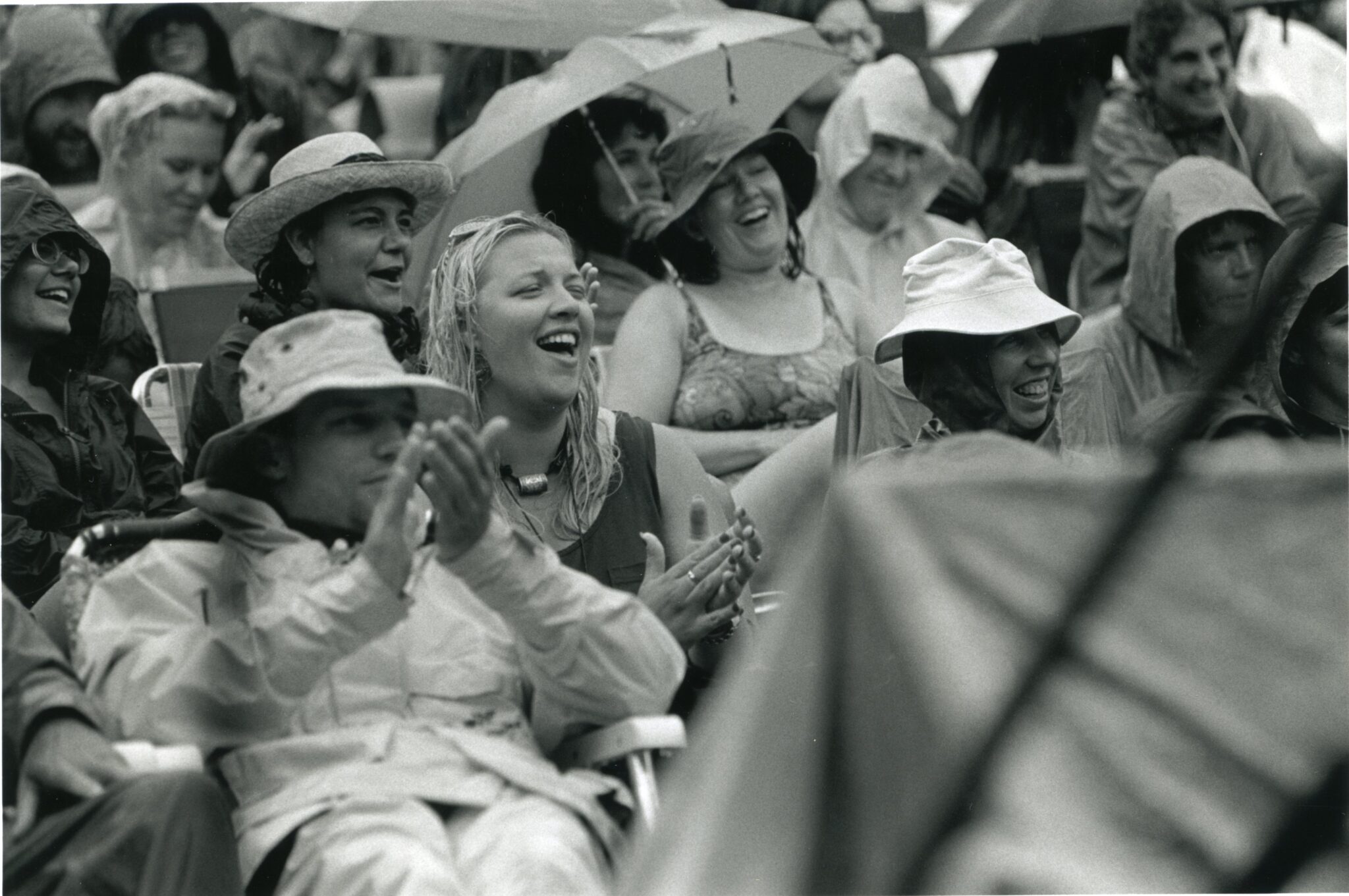
Festivalgoers had become seasoned pros, their survival tips perfected: layer up for unpredictable weather, invest in a fanny pack, and don’t forget something to sit on. Being prepared for rain didn’t mean it was a setback — it was part of the fun. From the warmth of their ponchos, festivalgoers watched as mud-covered Folkies slid across the rain-slicked grass.
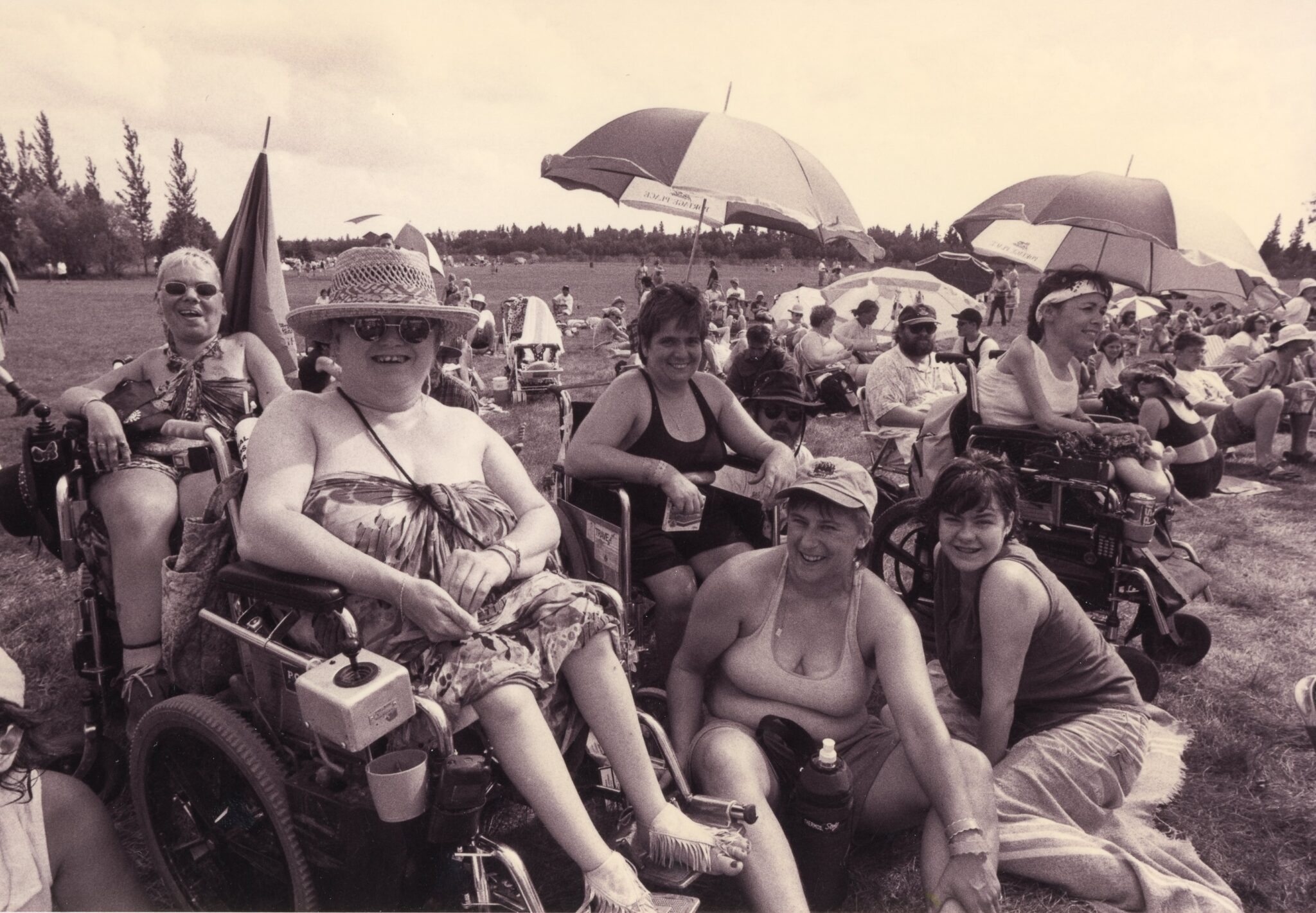
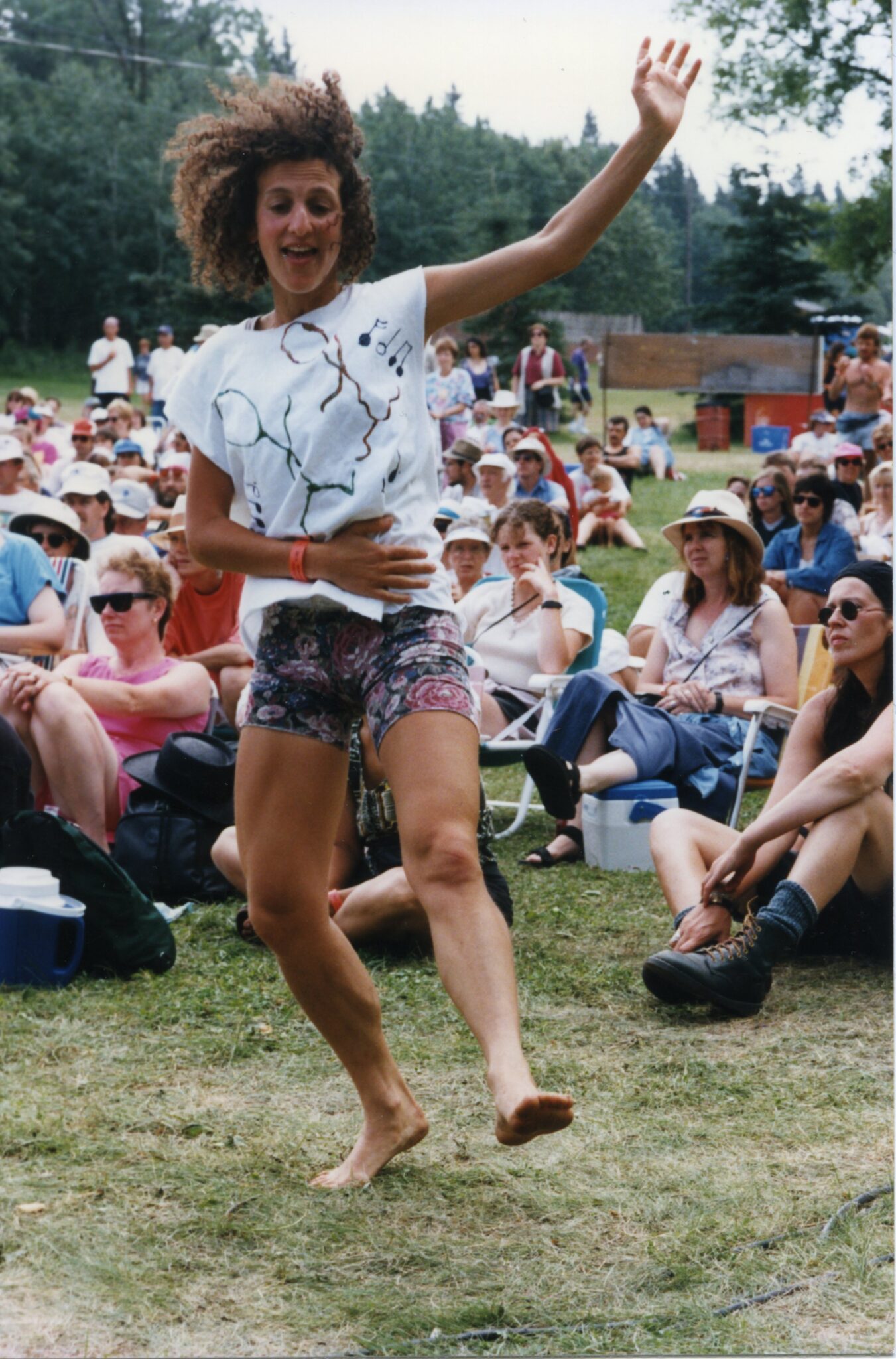
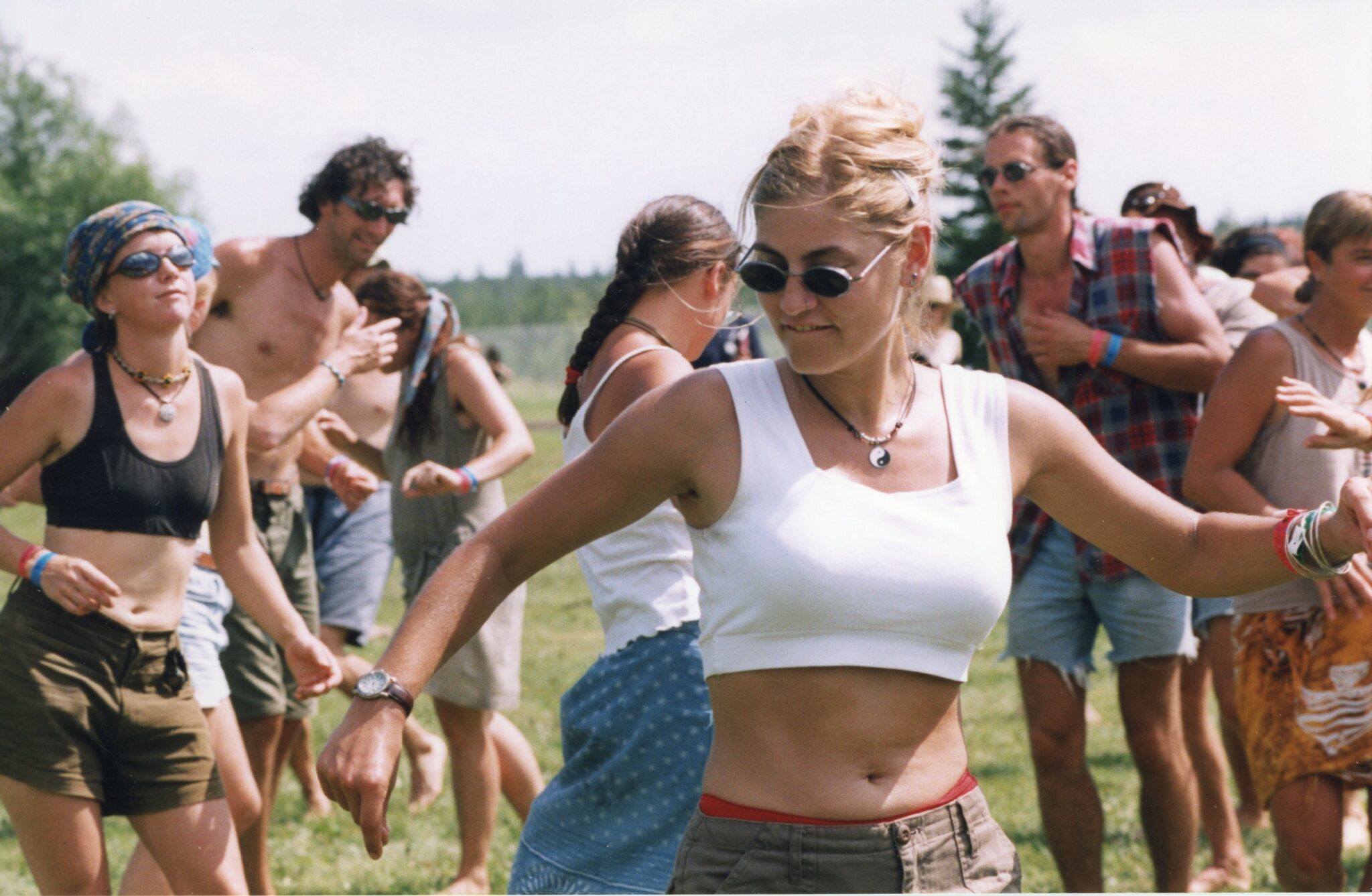
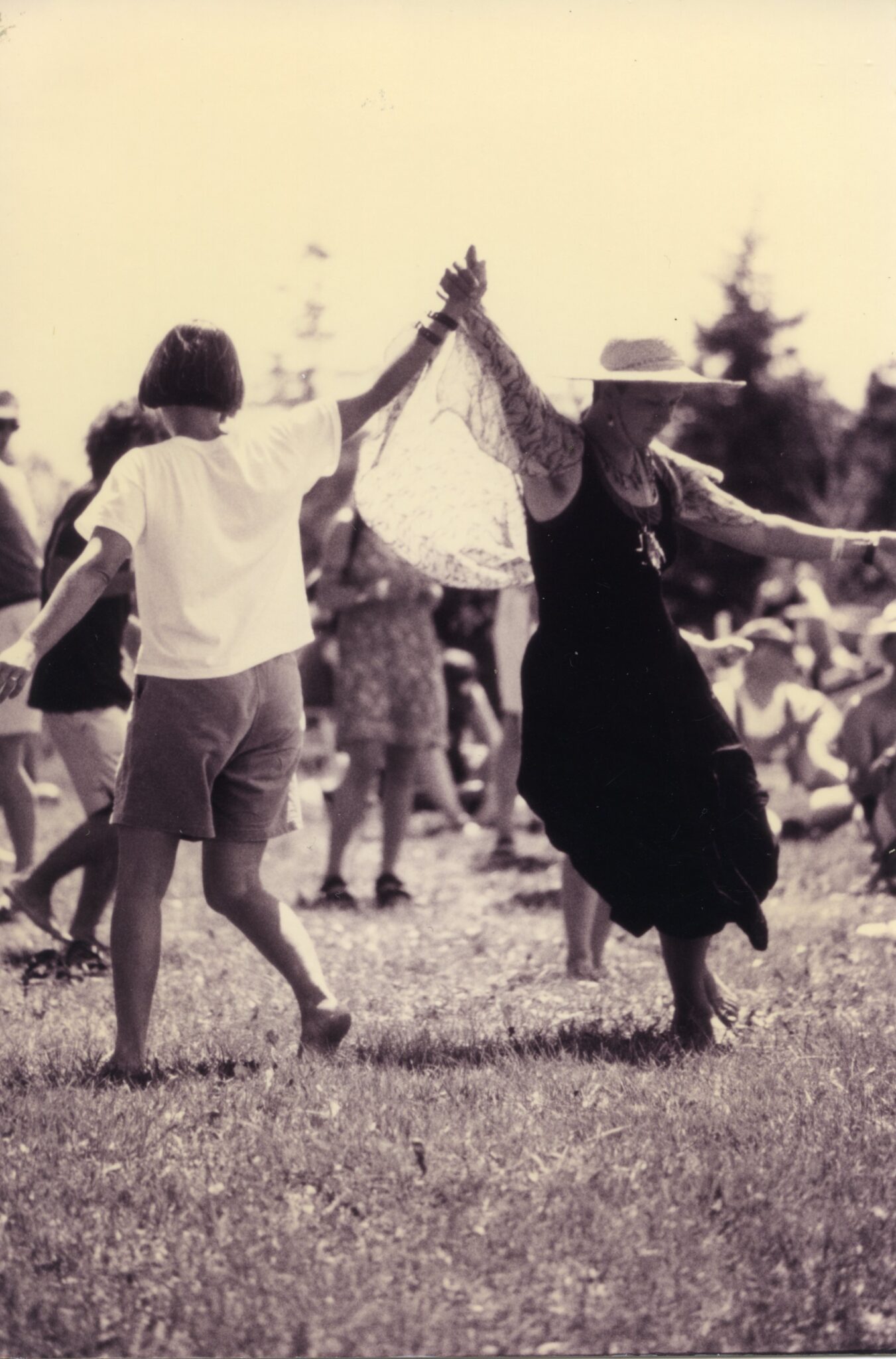
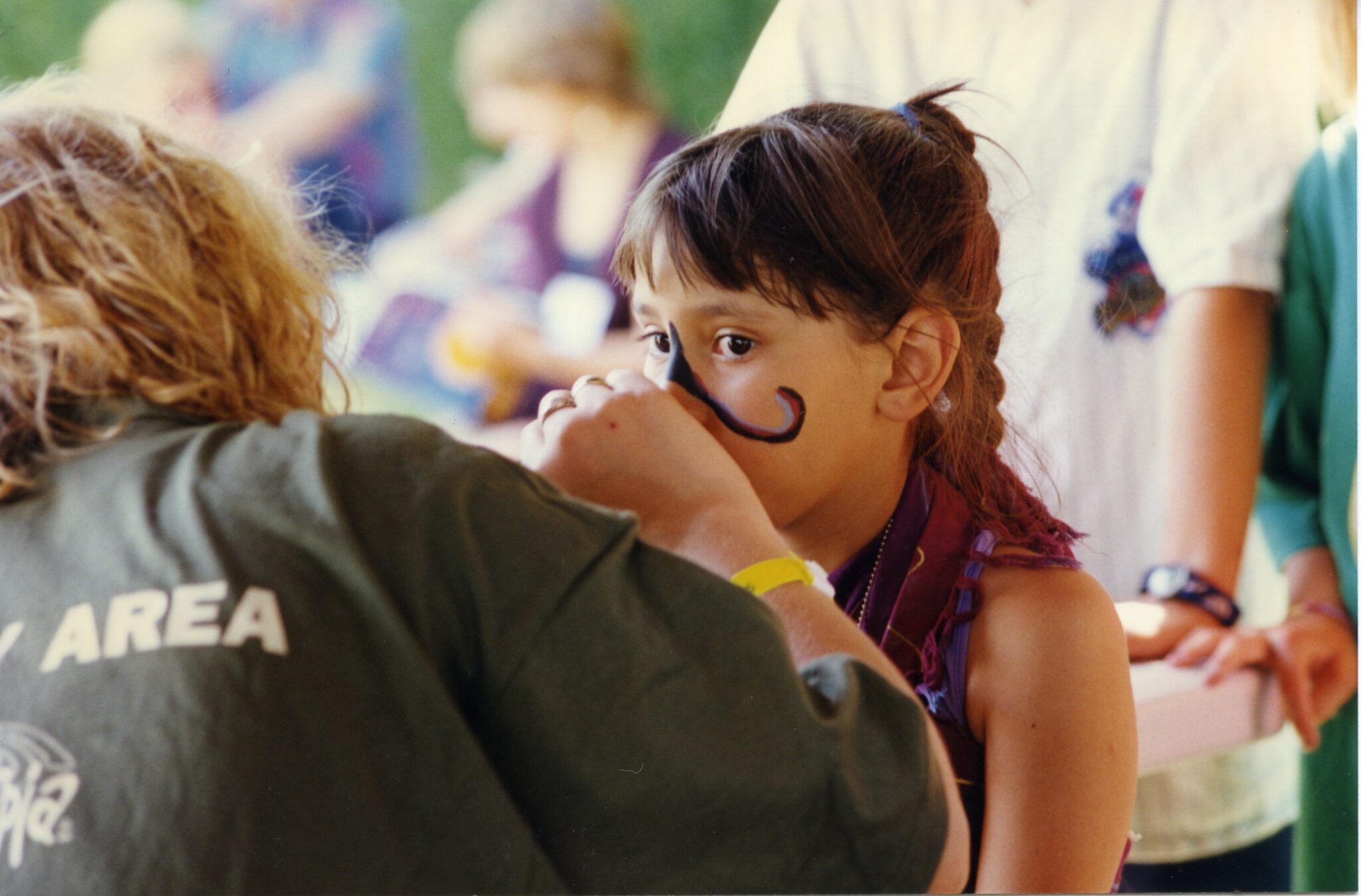
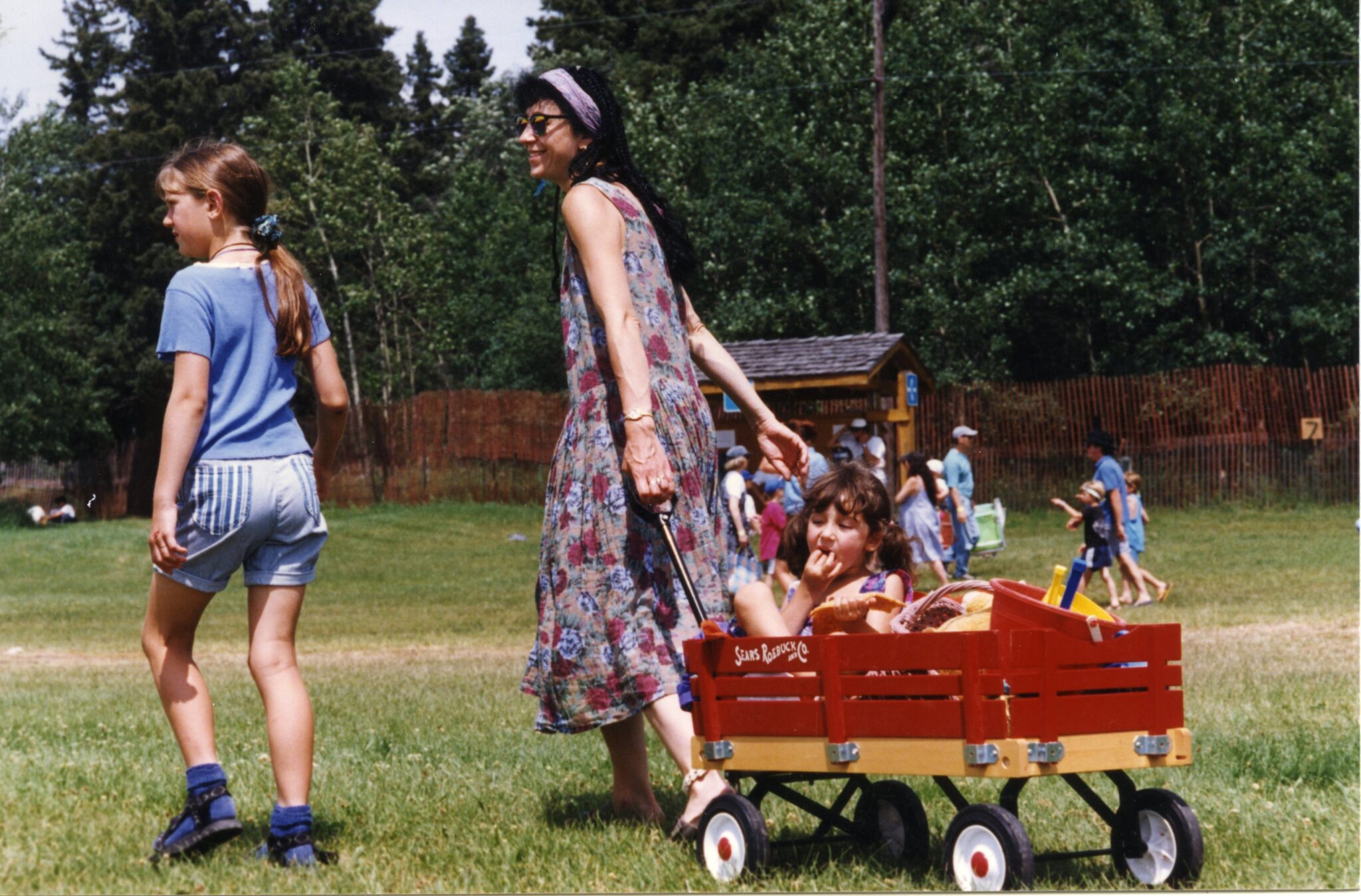
All around, people bonded over shared meals, borrowed guitars, and storytelling. As the Festival grew, wide-eyed first-timers were welcomed in and shown the ropes. No one stayed a stranger for long. Tie-dye, flowy pants, and Birkenstocks ruled, but the crowd was changing as new generations were drawn to the evolving lineup.
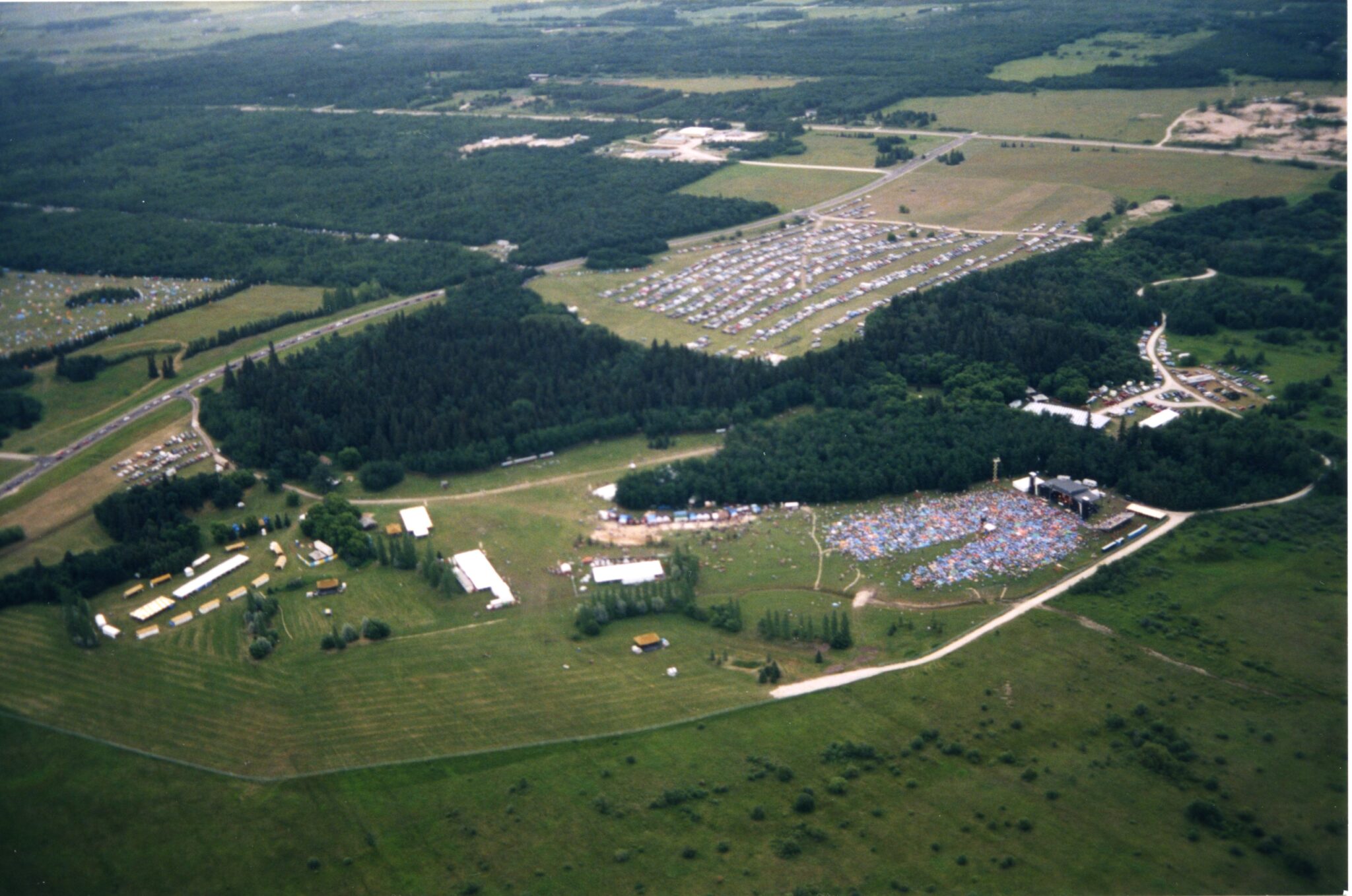
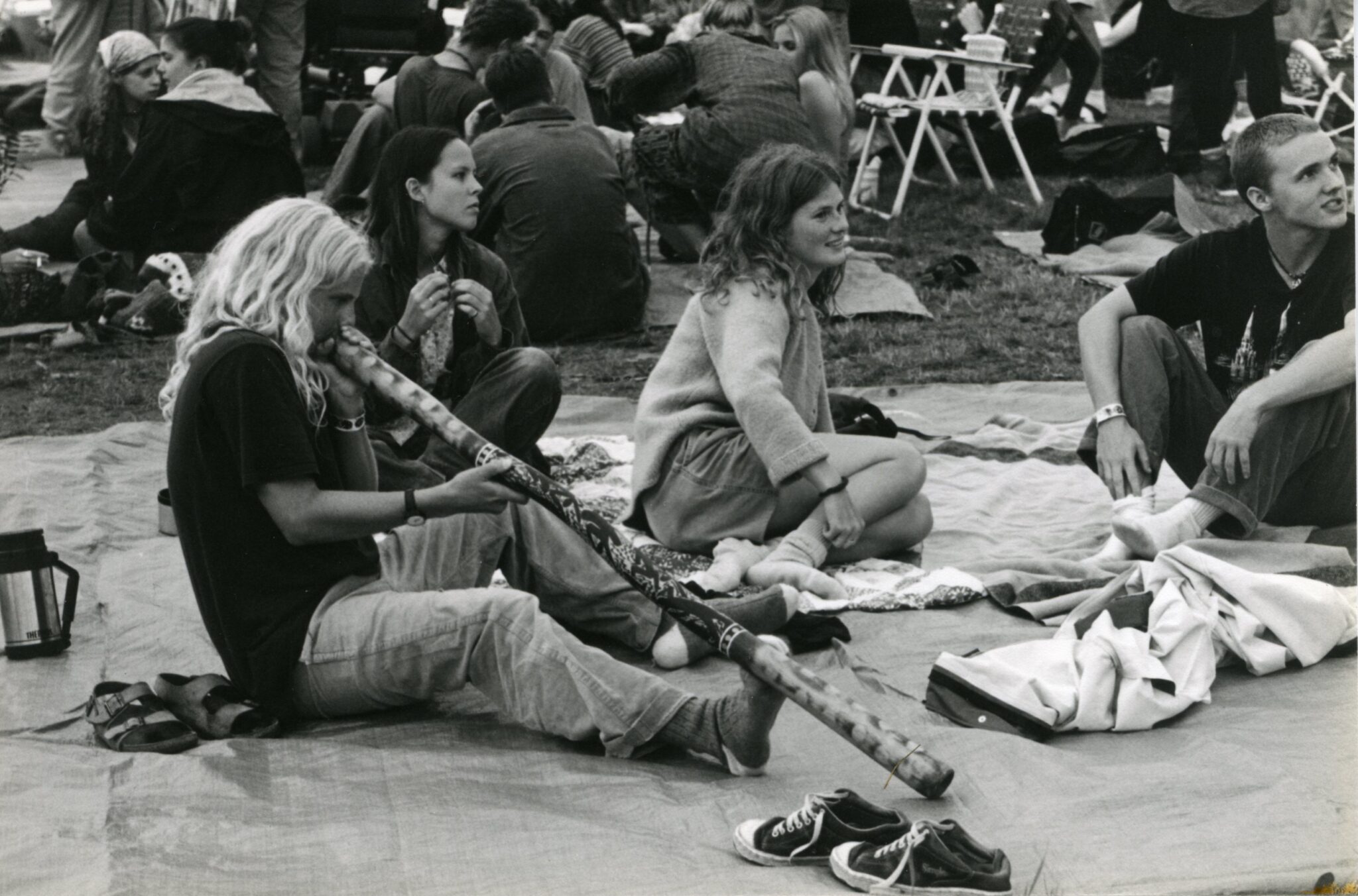
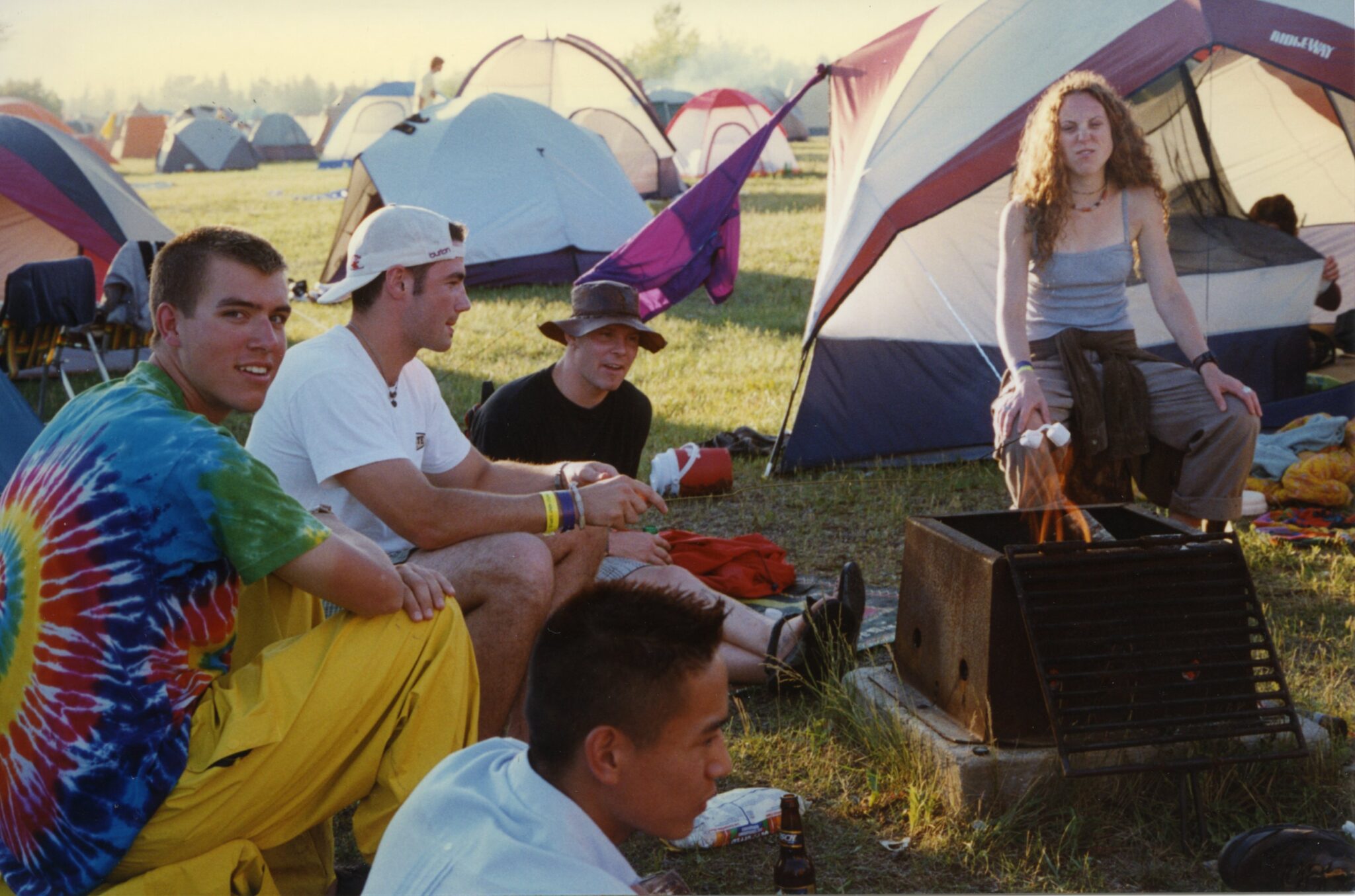
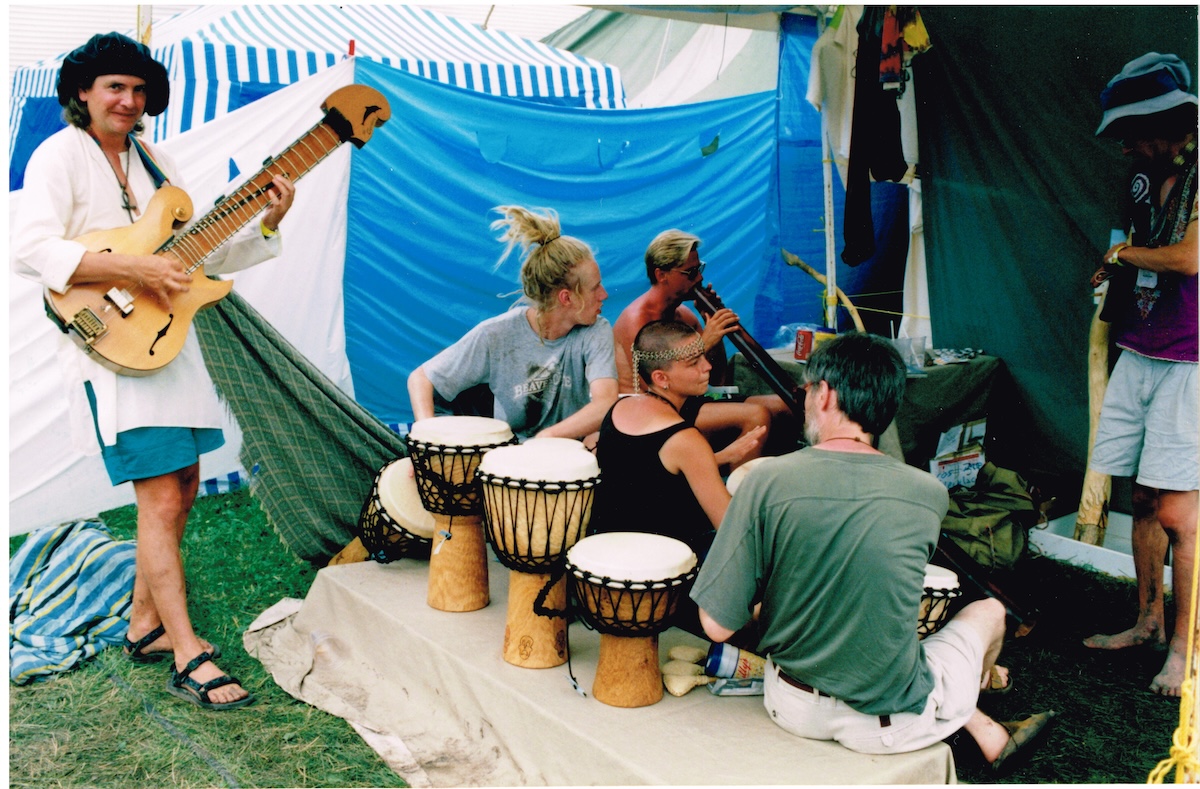
The Festival campground had become its own legendary space — like a Festival-within-the-Festival. Wild and bohemian, the campground was a place for drum circles, folk jams, and storytelling late into the night, where the sunrise often came too soon. Festivalgoers wove through a sea of tents, stepping carefully over half-empty coffee mugs and lost sandals. The Festival was in full swing, and it felt good to be home.
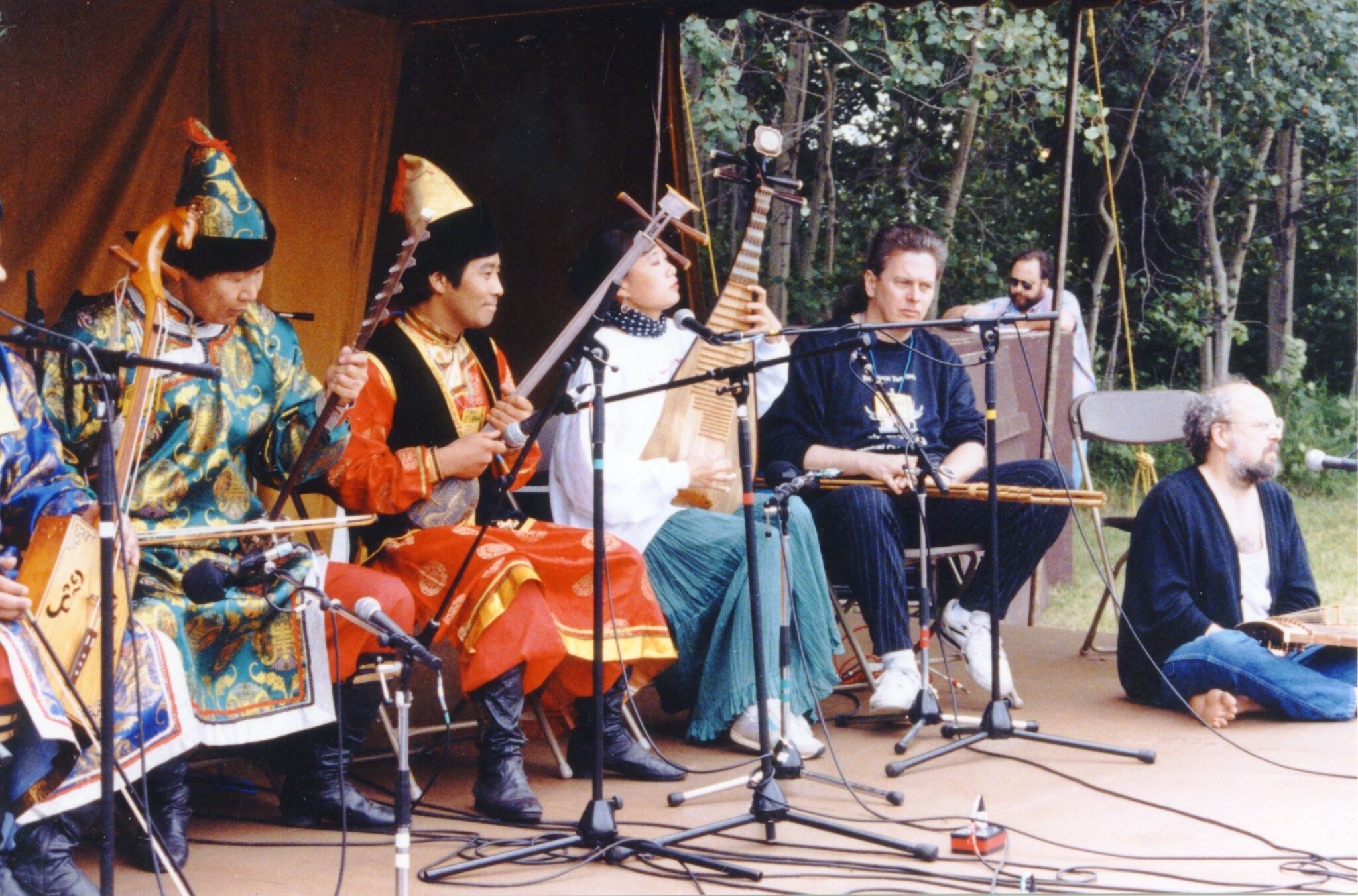
Folk Fest wasn’t just about the performances — it was about discovery. It was the excitement of stumbling upon a new artist at a workshop, seeing legends play just feet away, or hearing a song that lingered in your head after the music stopped. The Festival had grown beyond an all-acoustic affair into something much more diverse and eclectic. Still folk-based, it embraced new genres — like alt-rock, world music, and Inuit throat singers — adding new layers to the Folk Fest soundscape. Attendees walked past others leaving the last performance, humming tunes from their new favourite artists.
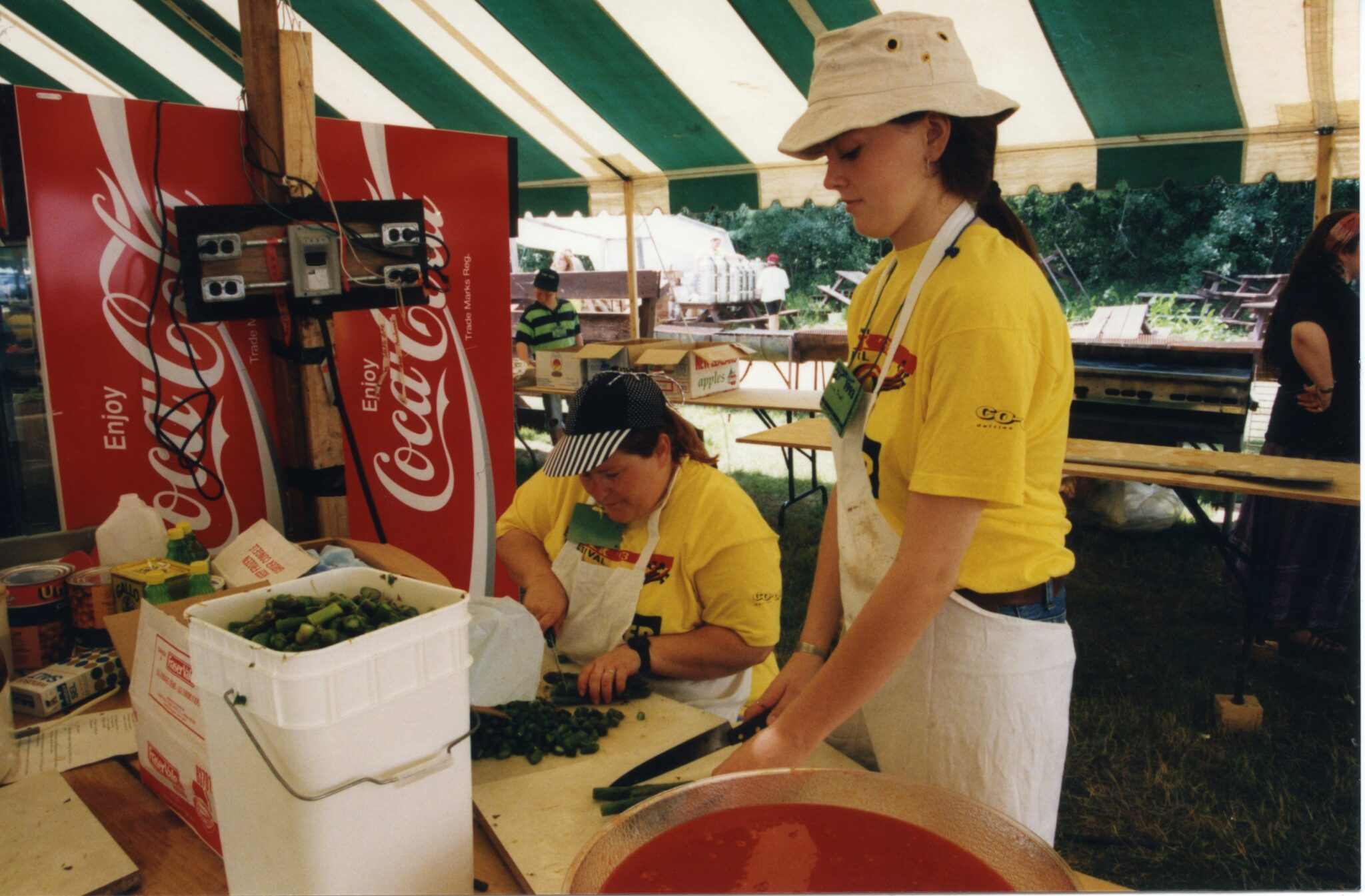
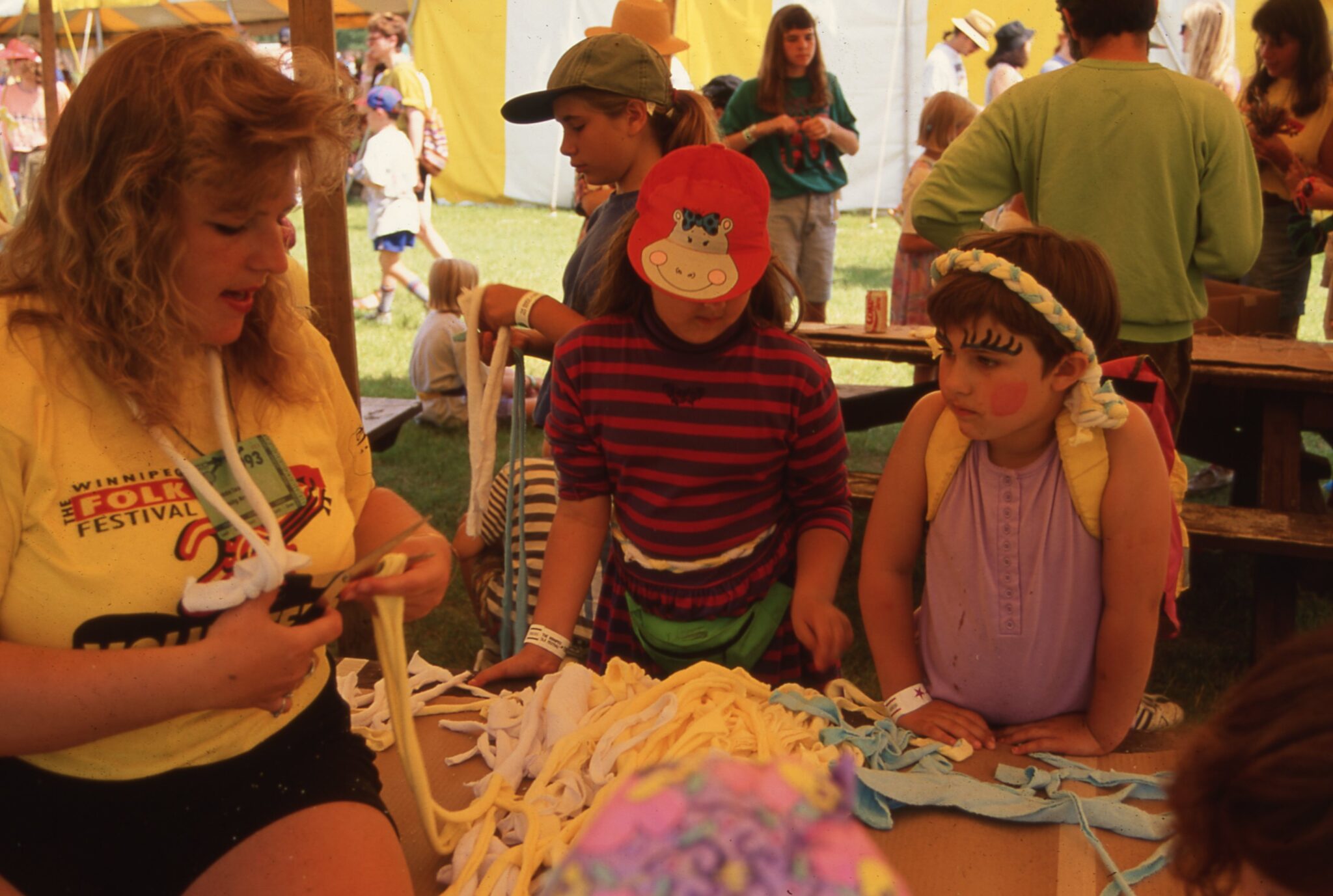
As budgets grew and higher-end production began, Folk Fest still felt handmade. The stages and spaces were decorated by volunteers, giving the grounds a quirky and organic look — the same free-spirited creativity that adorned the campsites.
It was the discovery and spontaneity — the feeling of being in the right place, at the right time, with the right people. It was a golden era: the Festival was big, but still intimate, still raw, still magic. Music, the universal language, was the glue that bound it all together.
Folk Fest was more than just a festival — it was a feeling.
Gallery
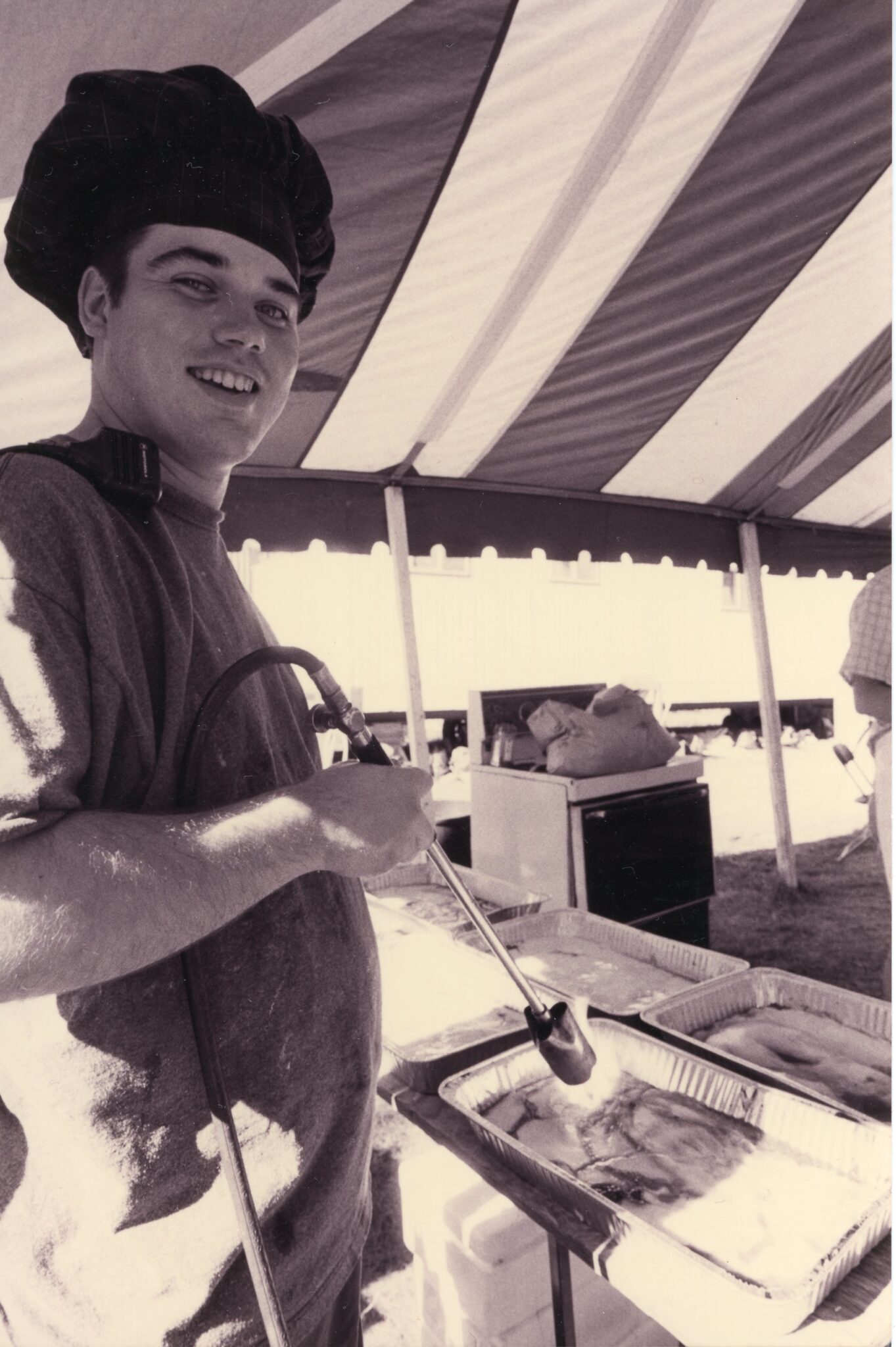
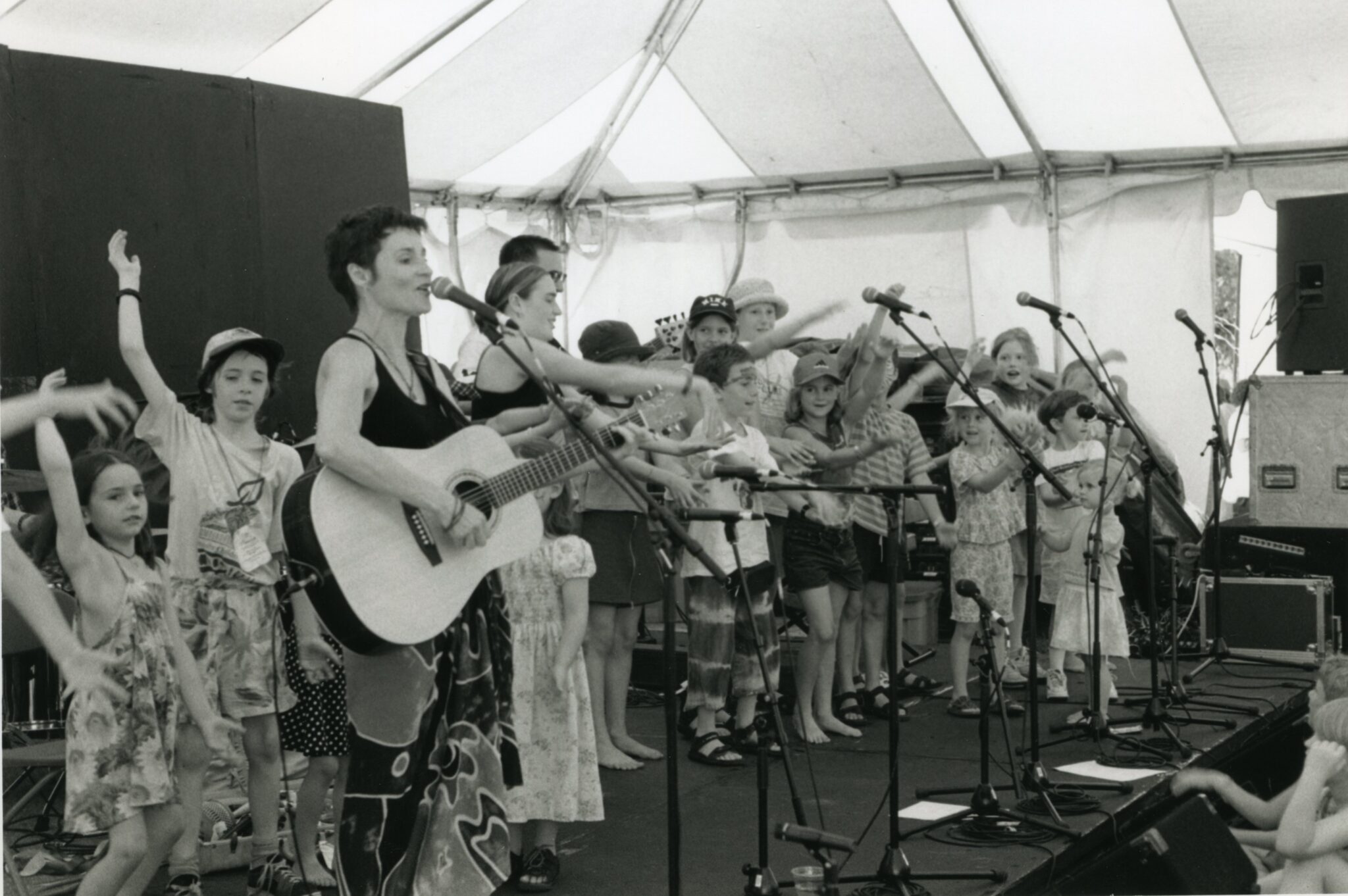
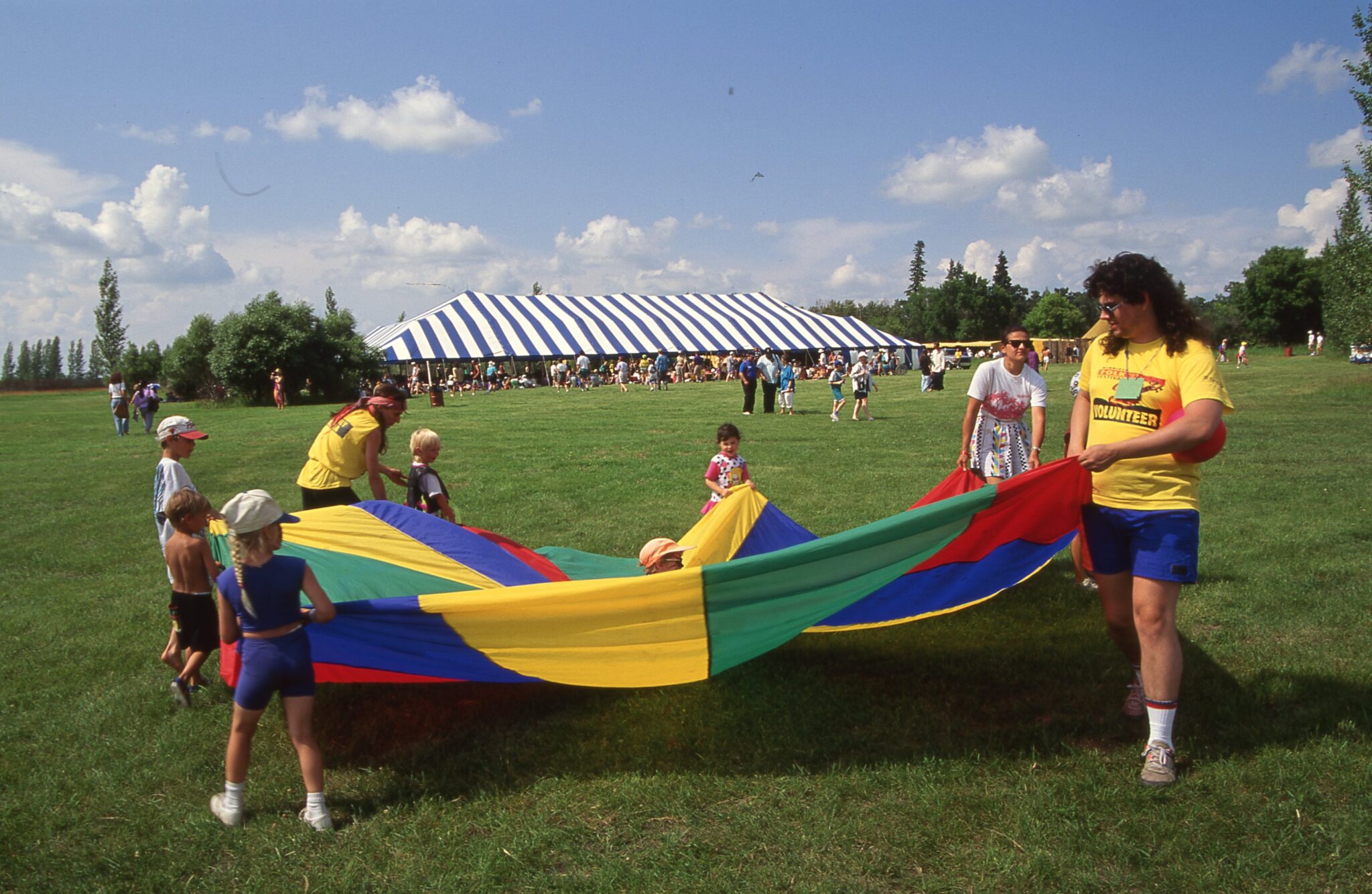
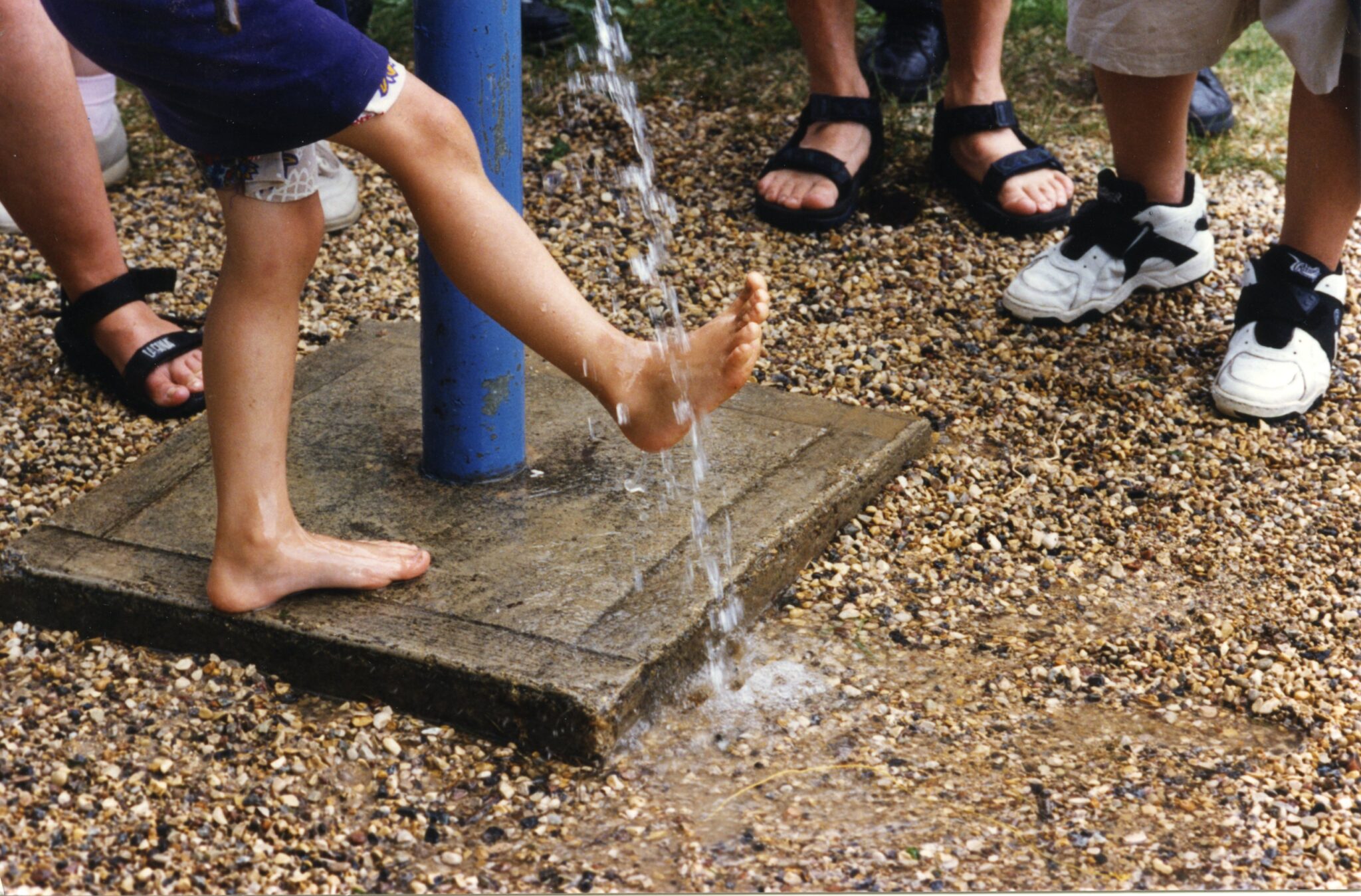
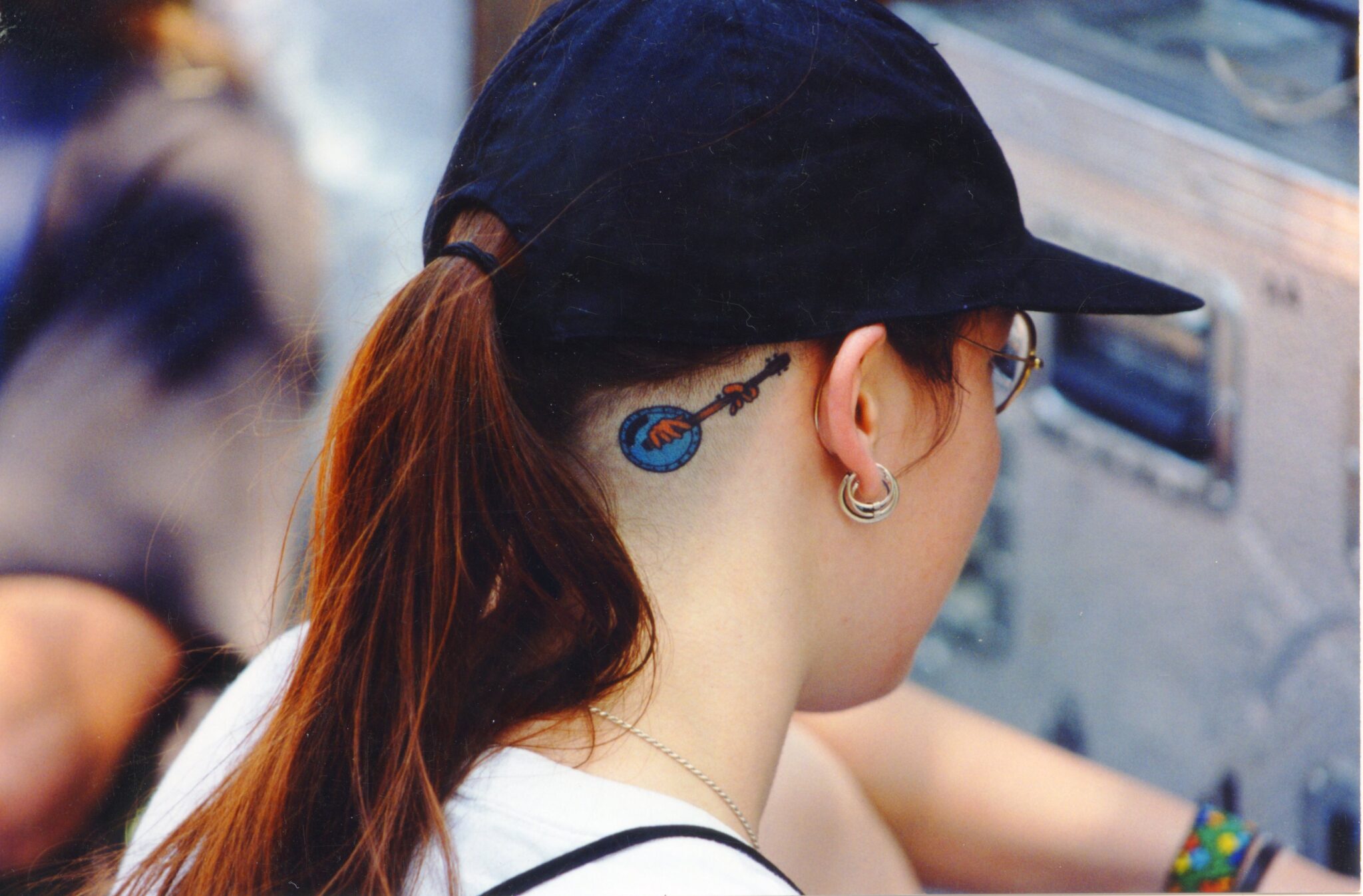
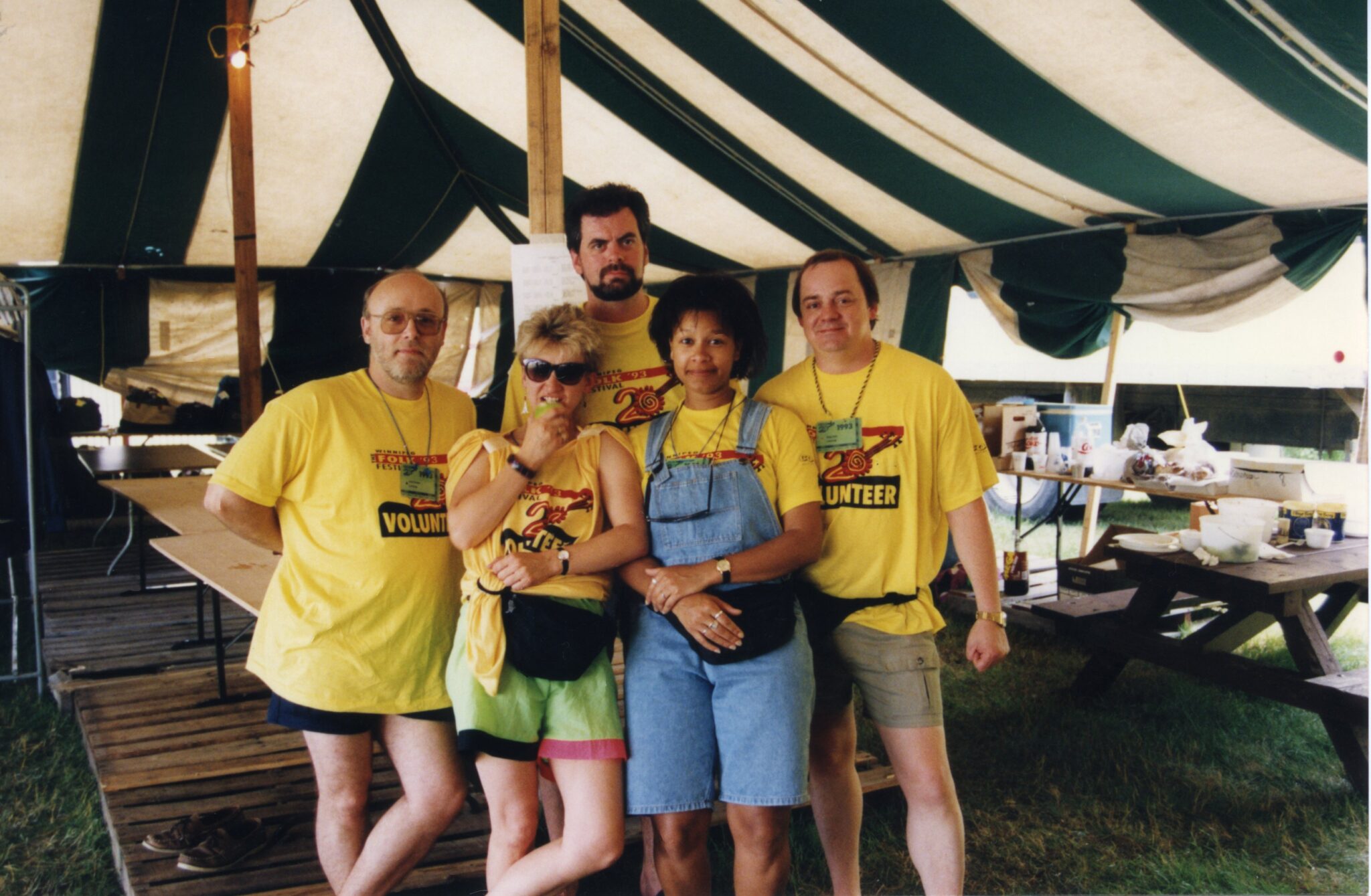
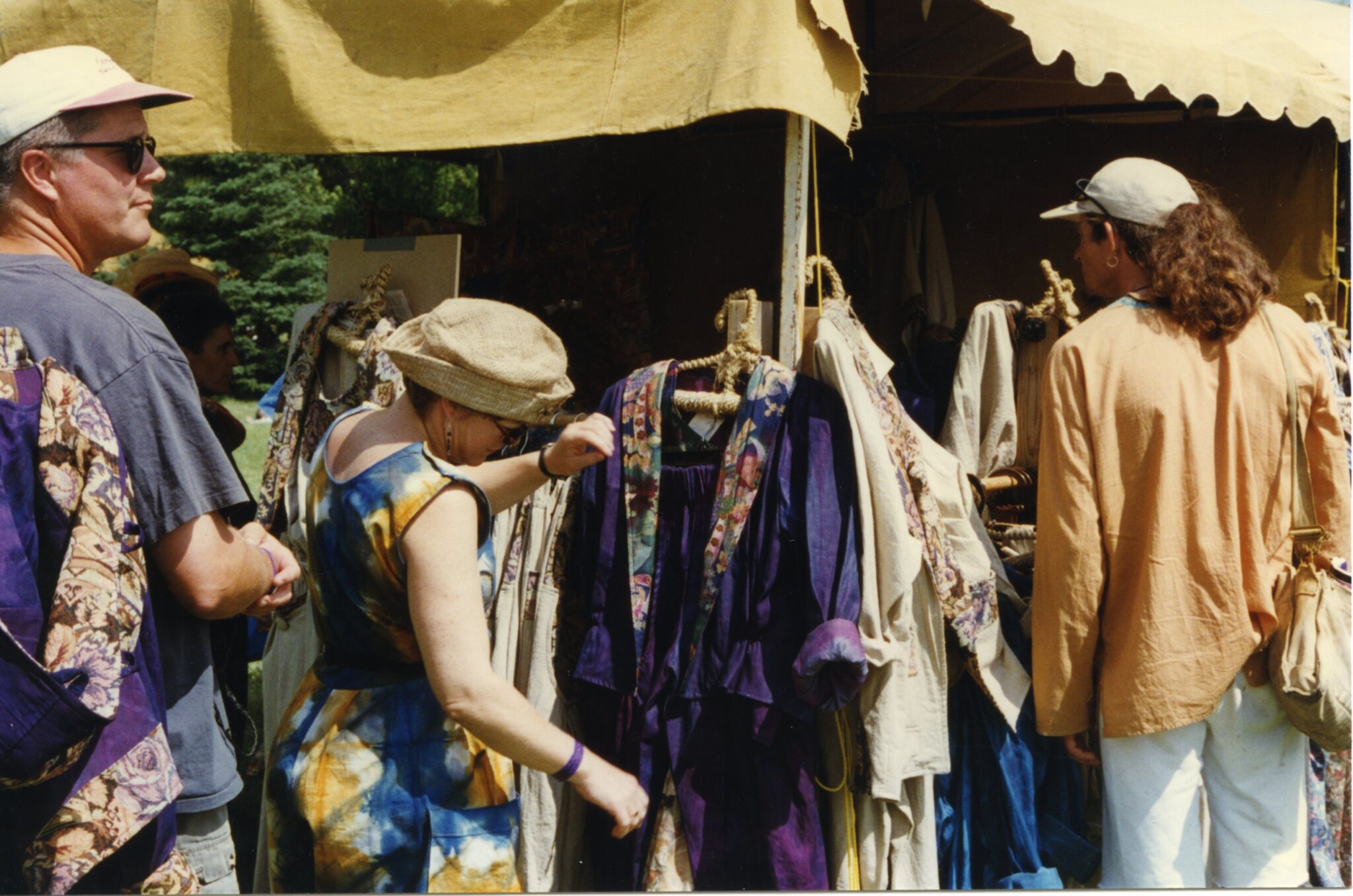
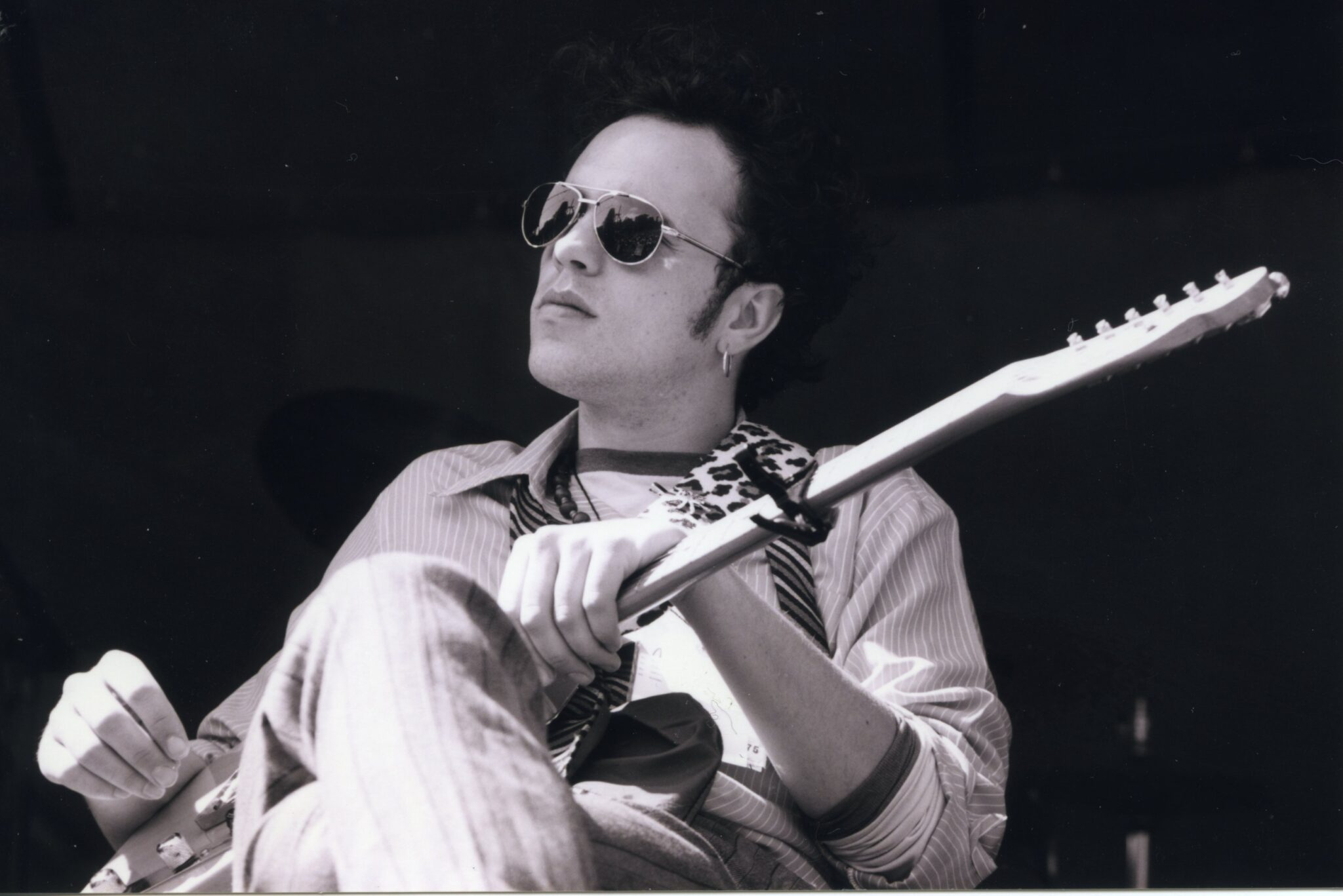
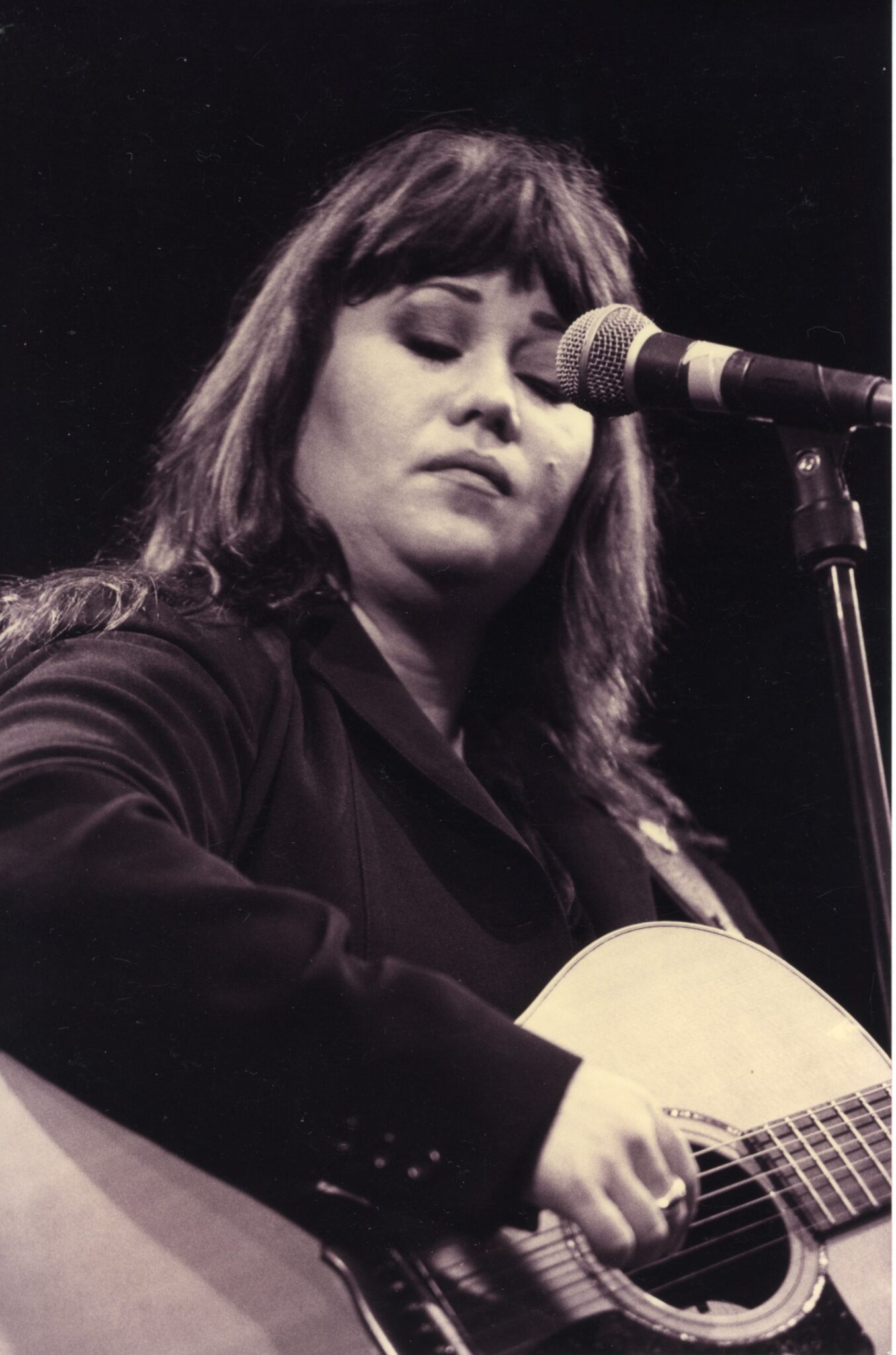
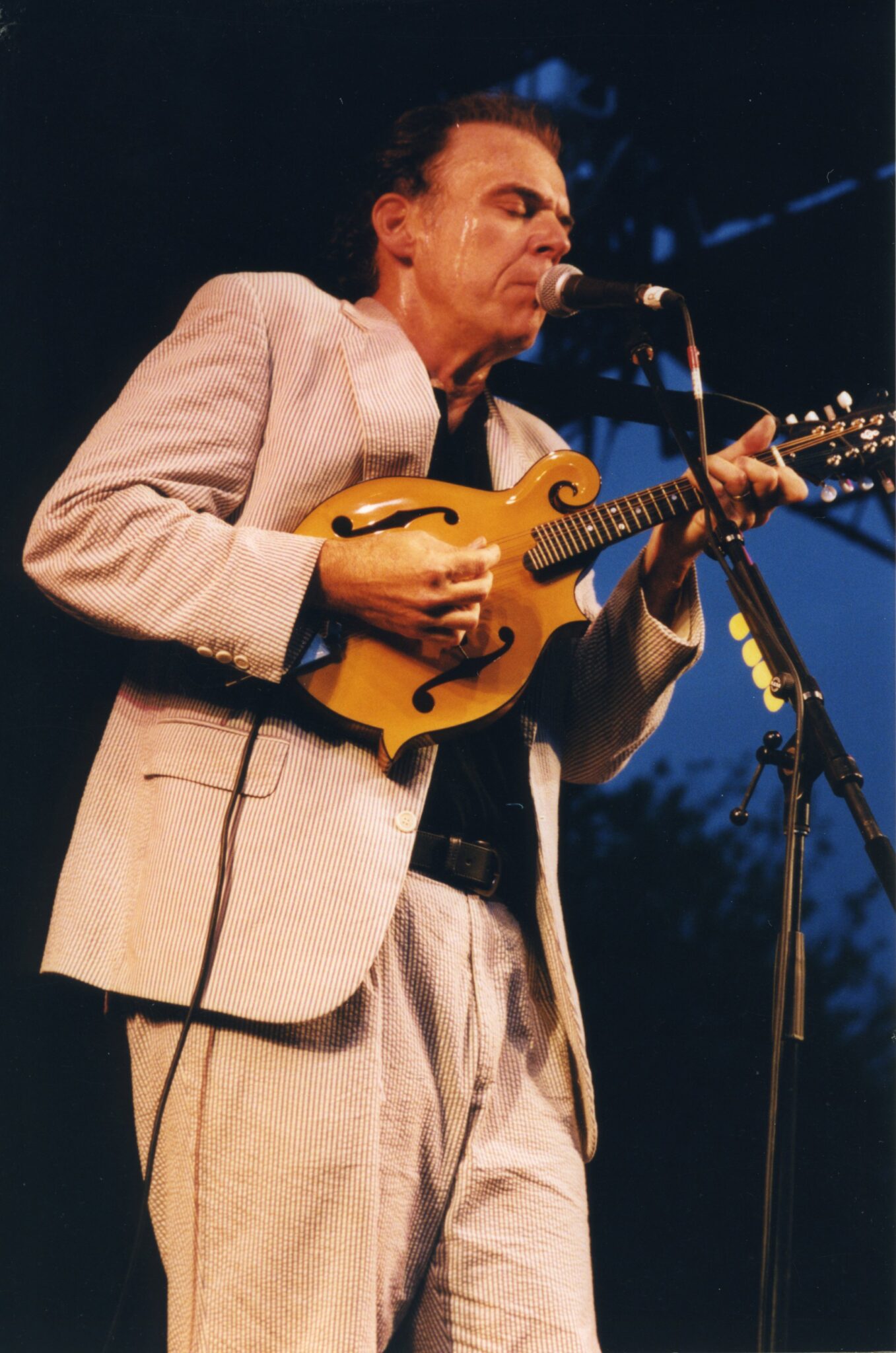
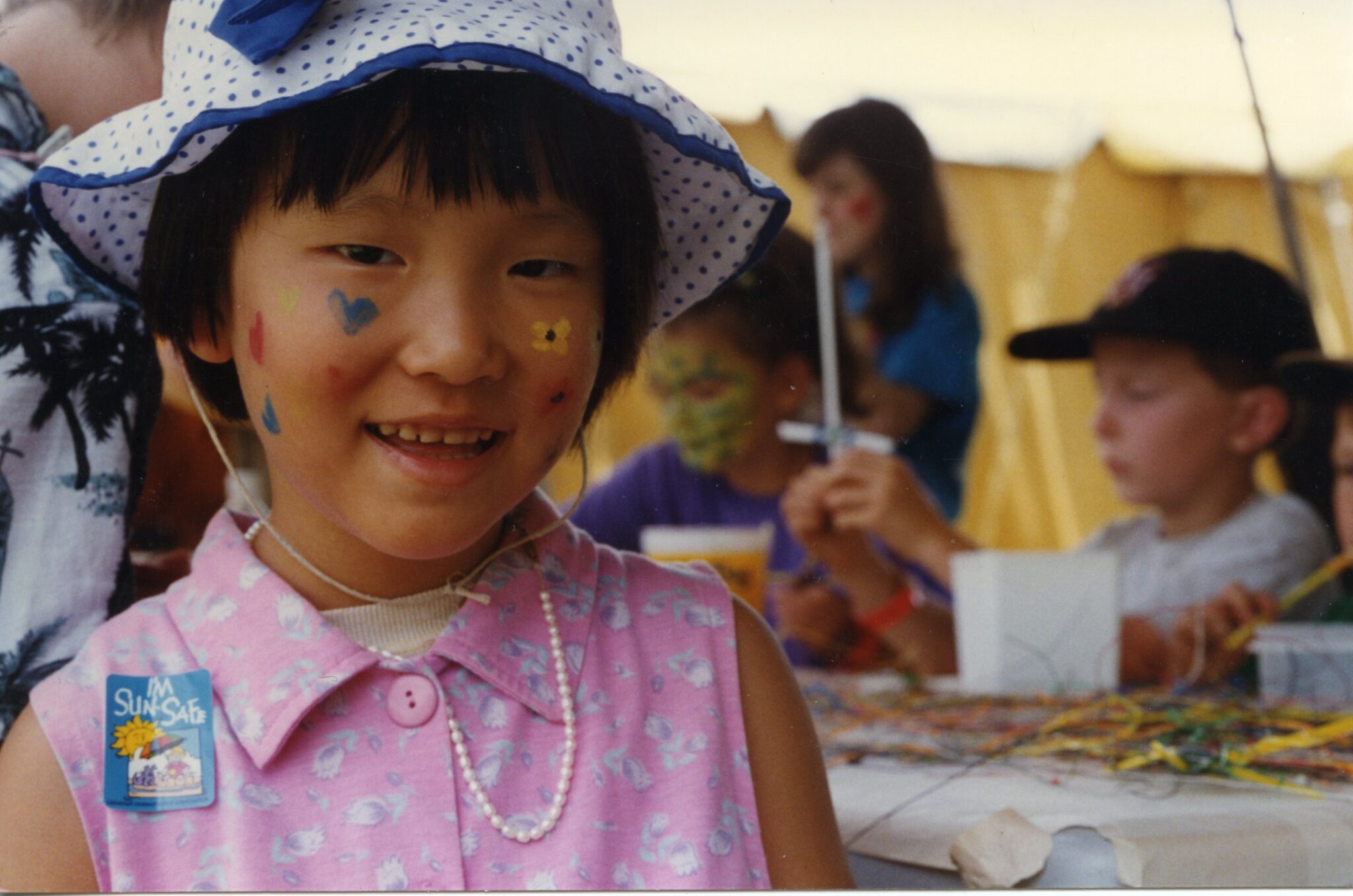
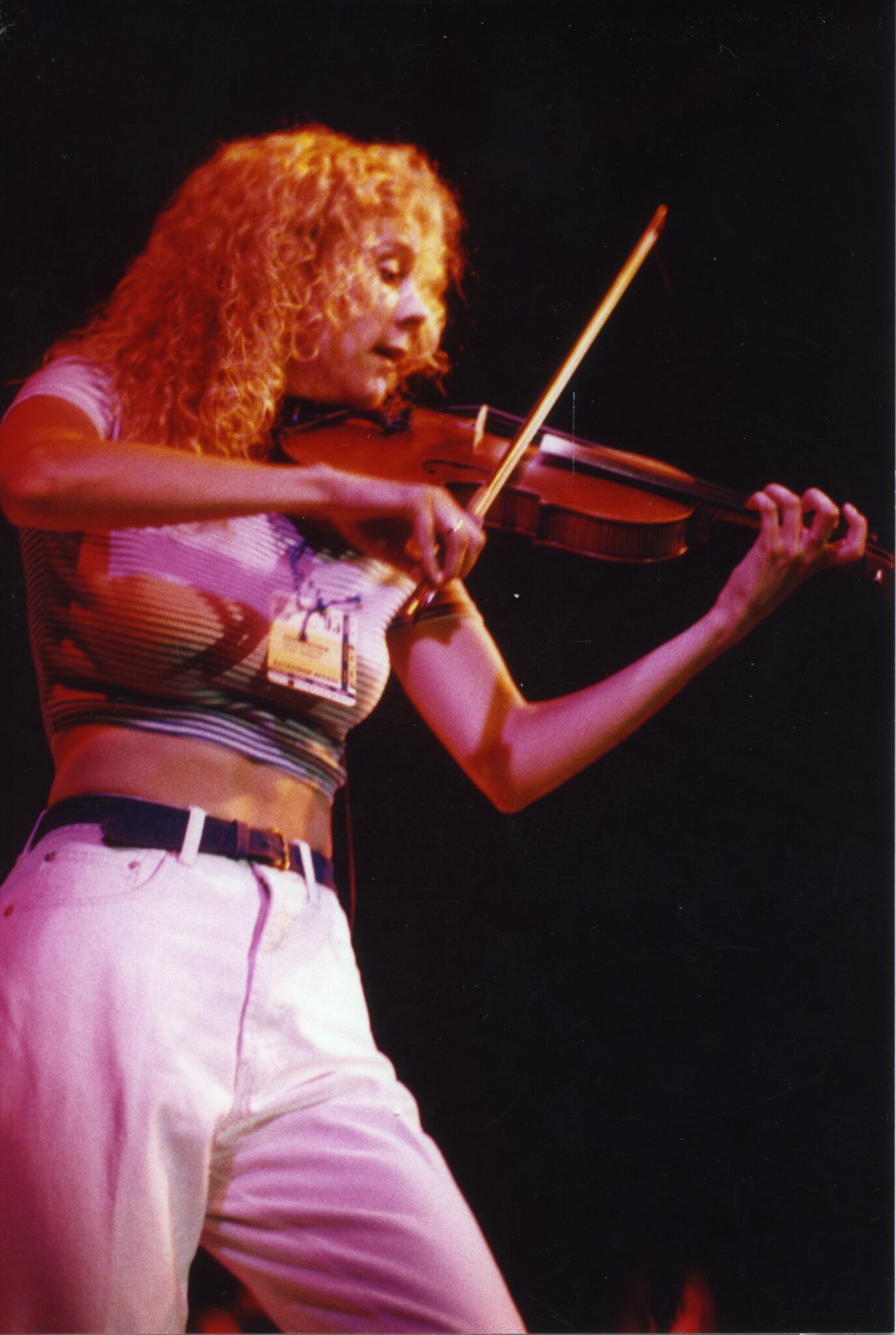
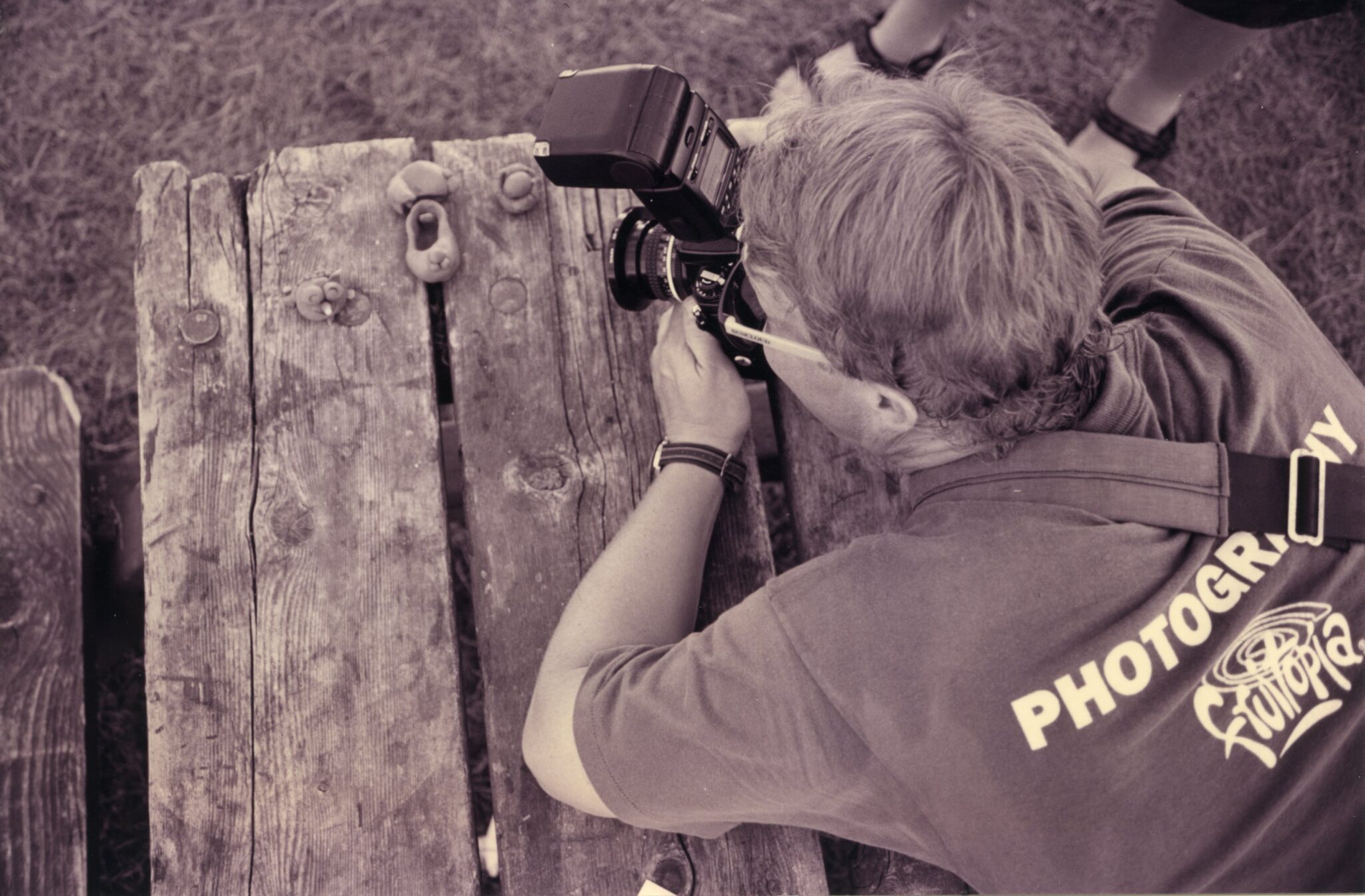
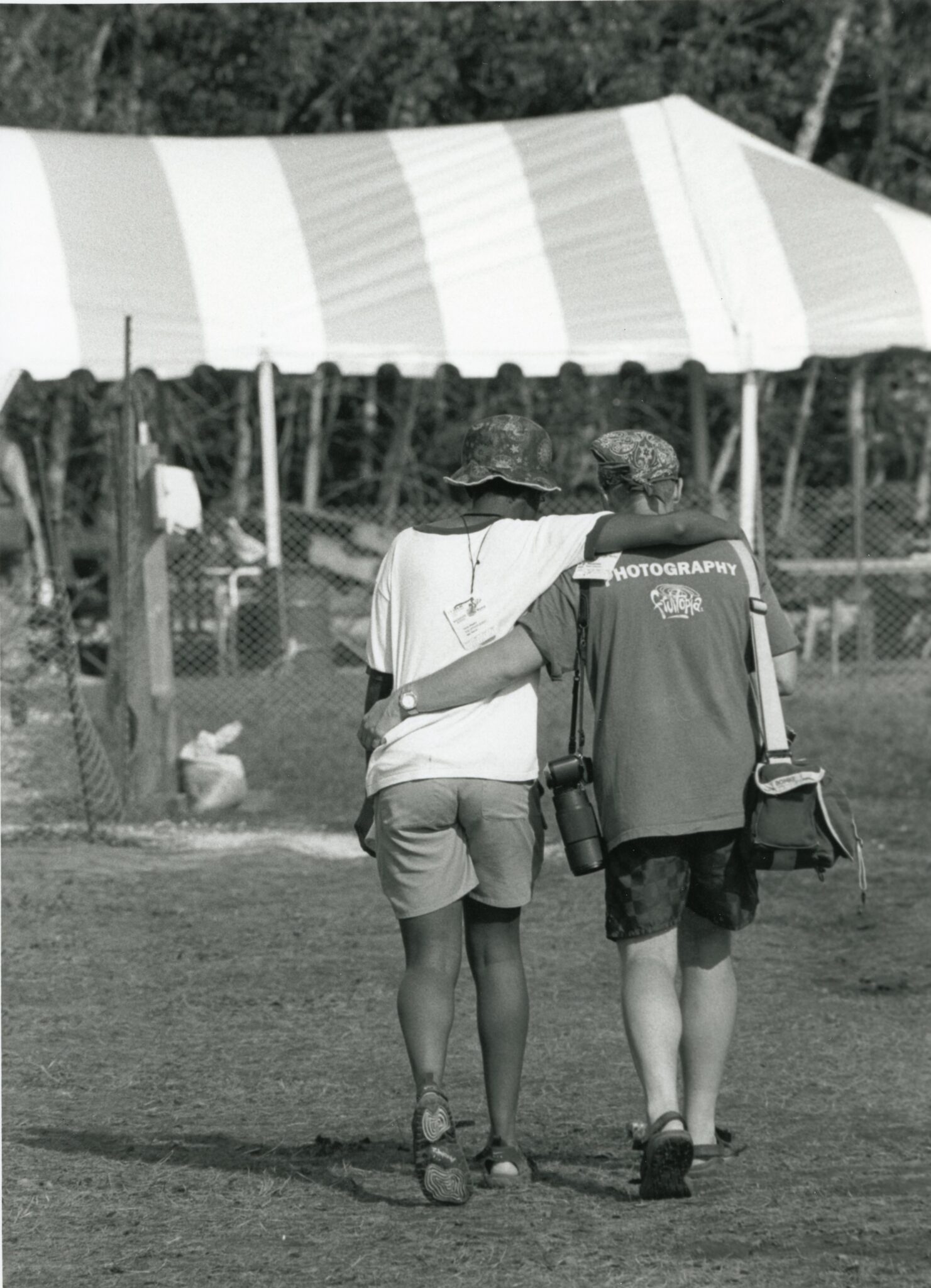
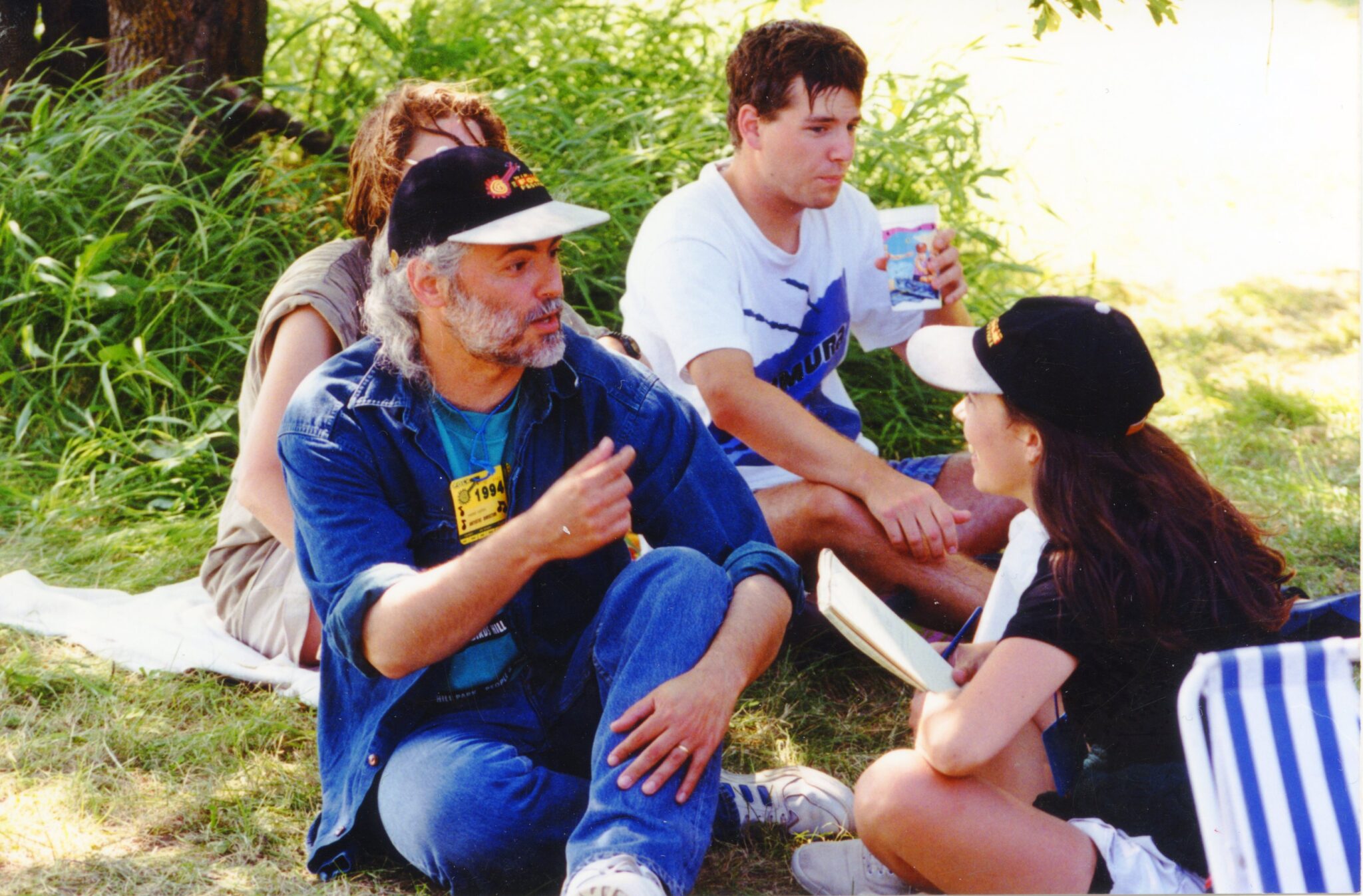
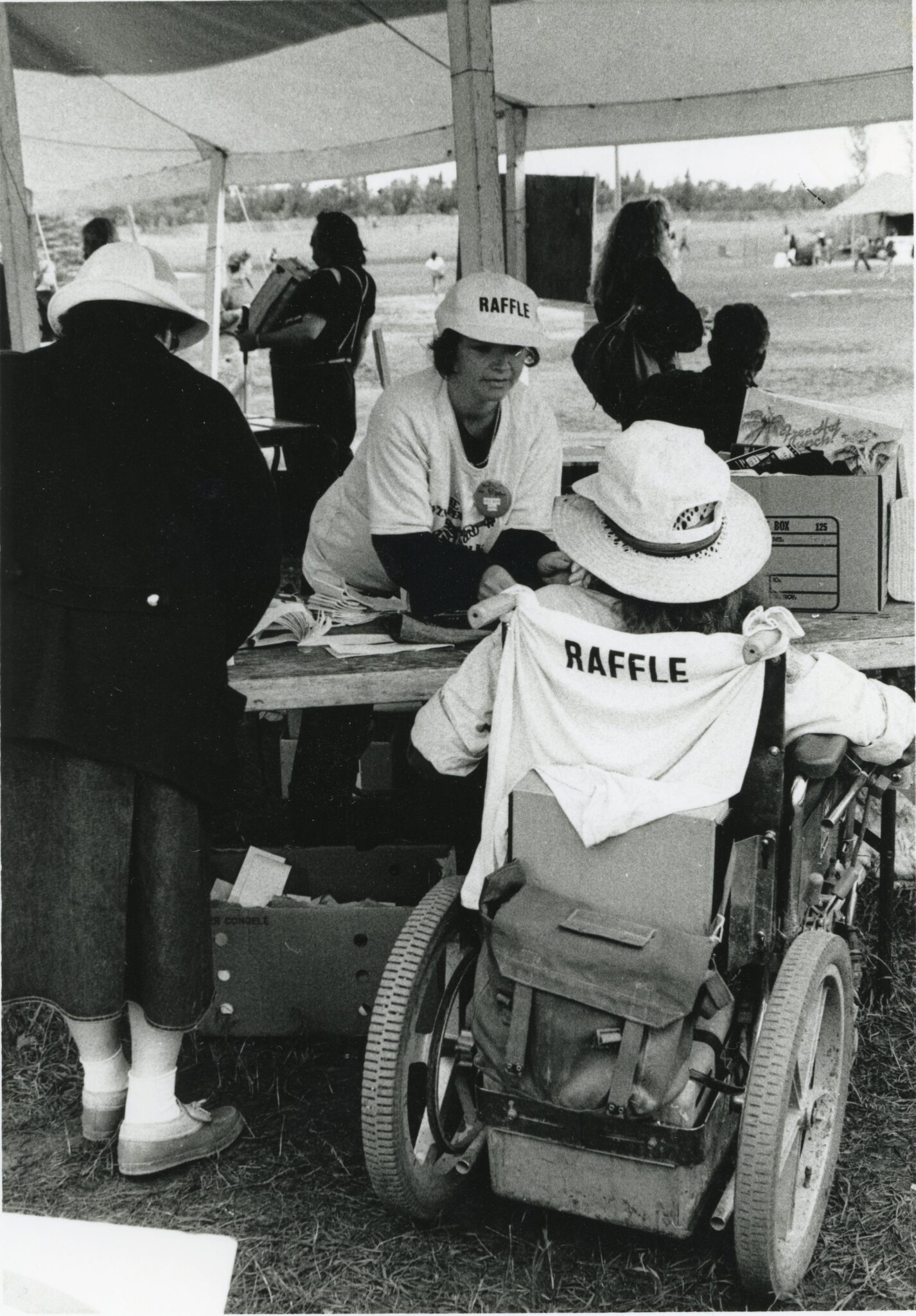
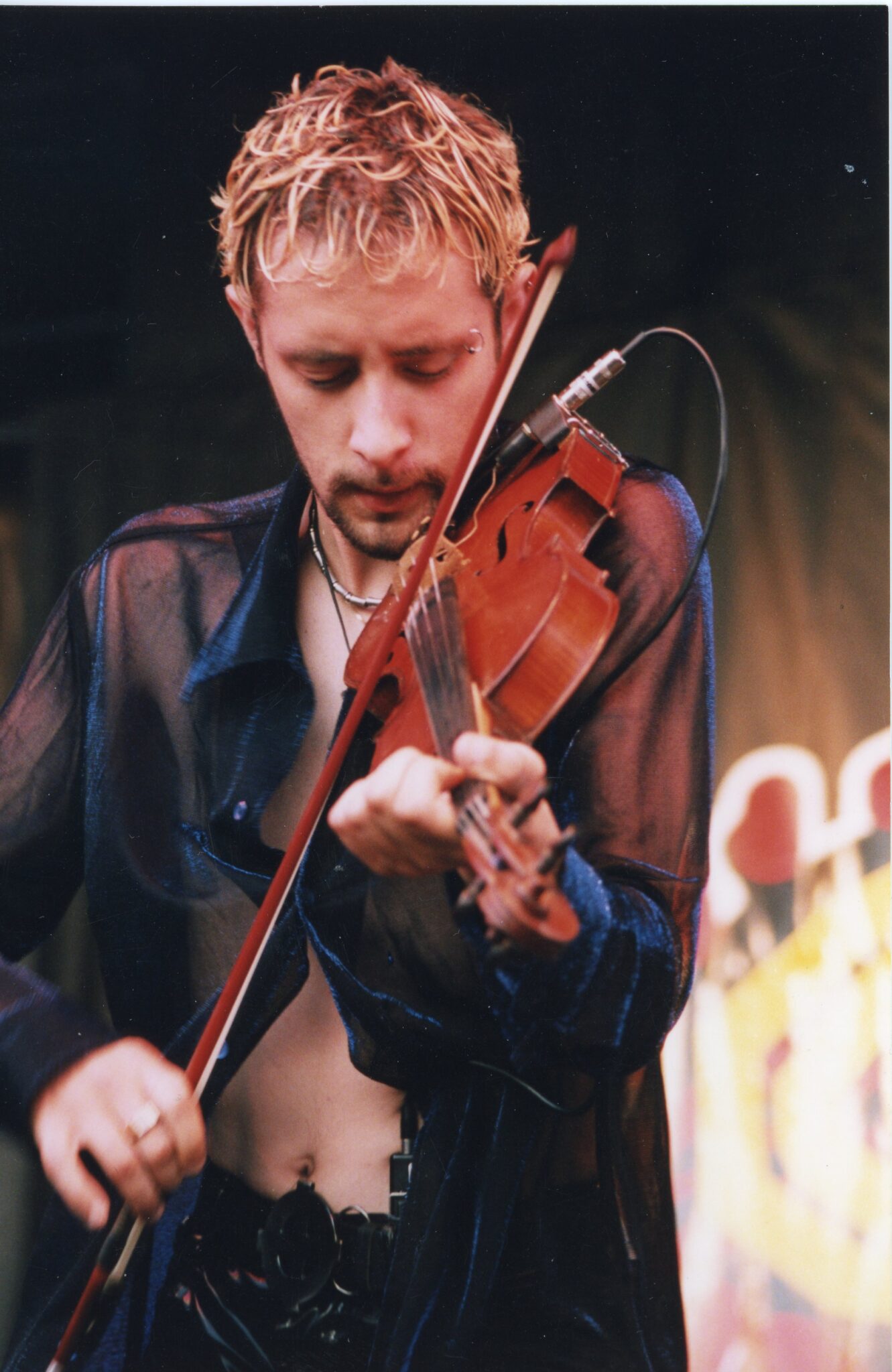
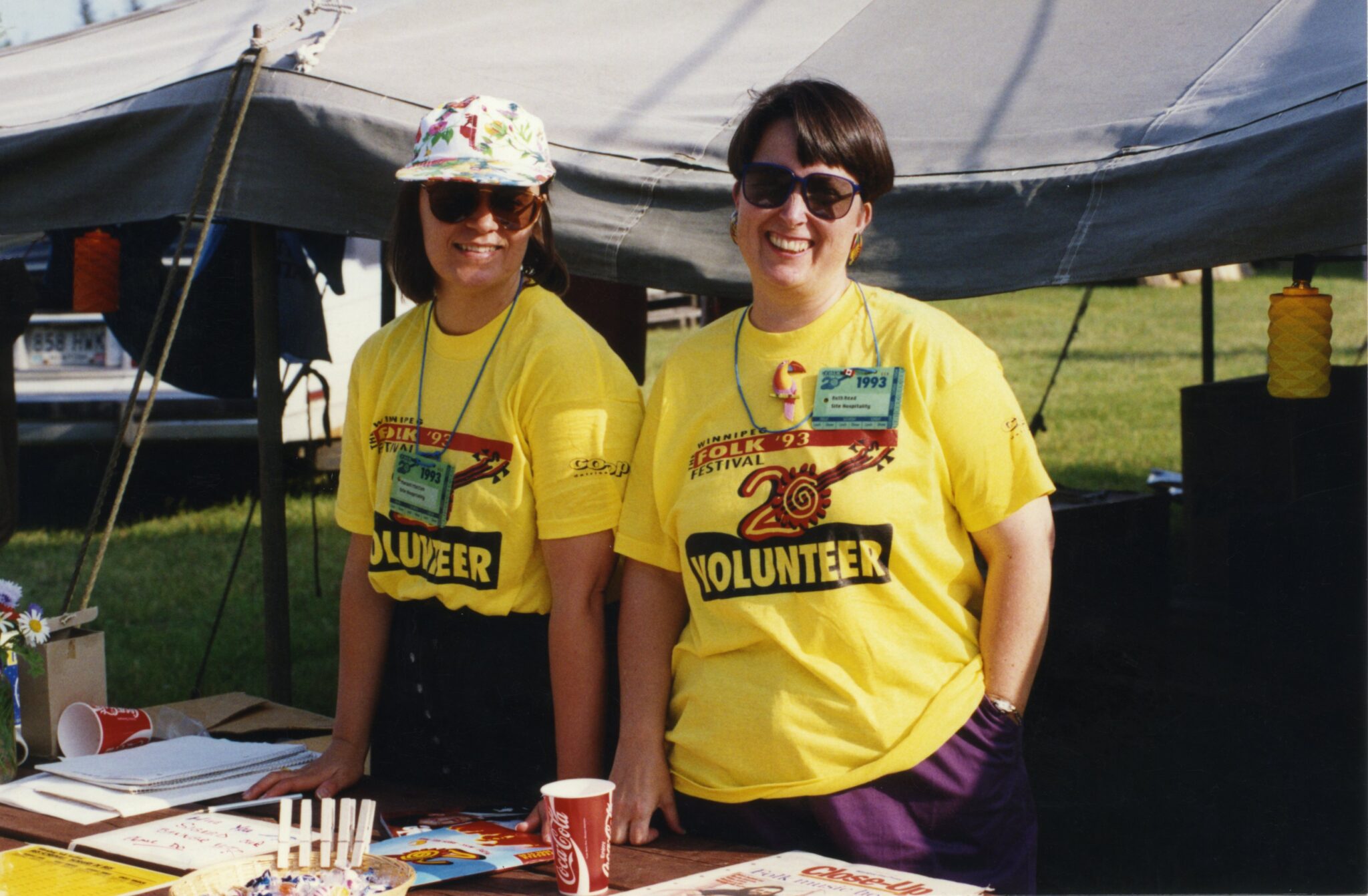
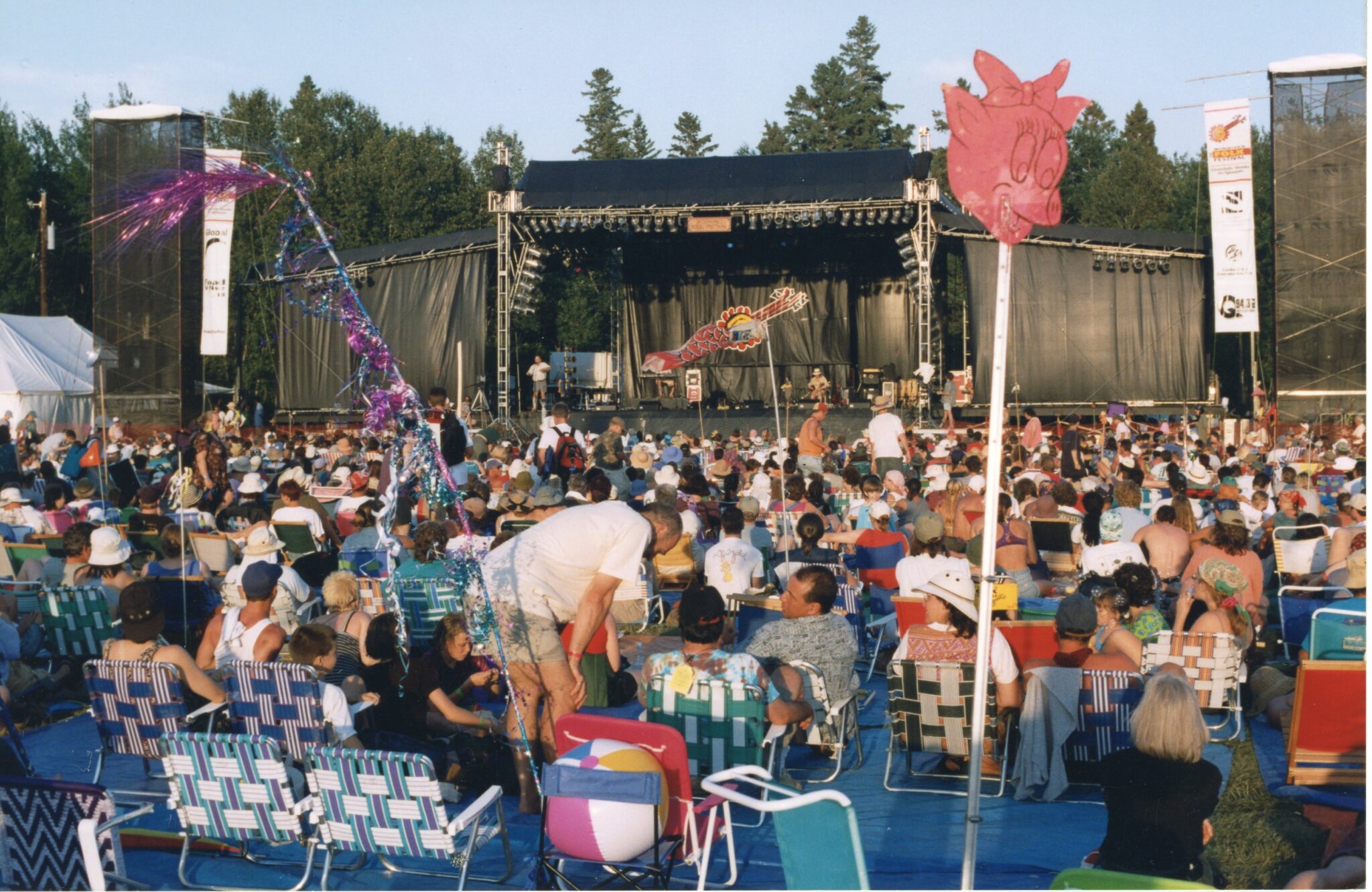
Check out photos from the past. Click to enlarge the image and get more information.
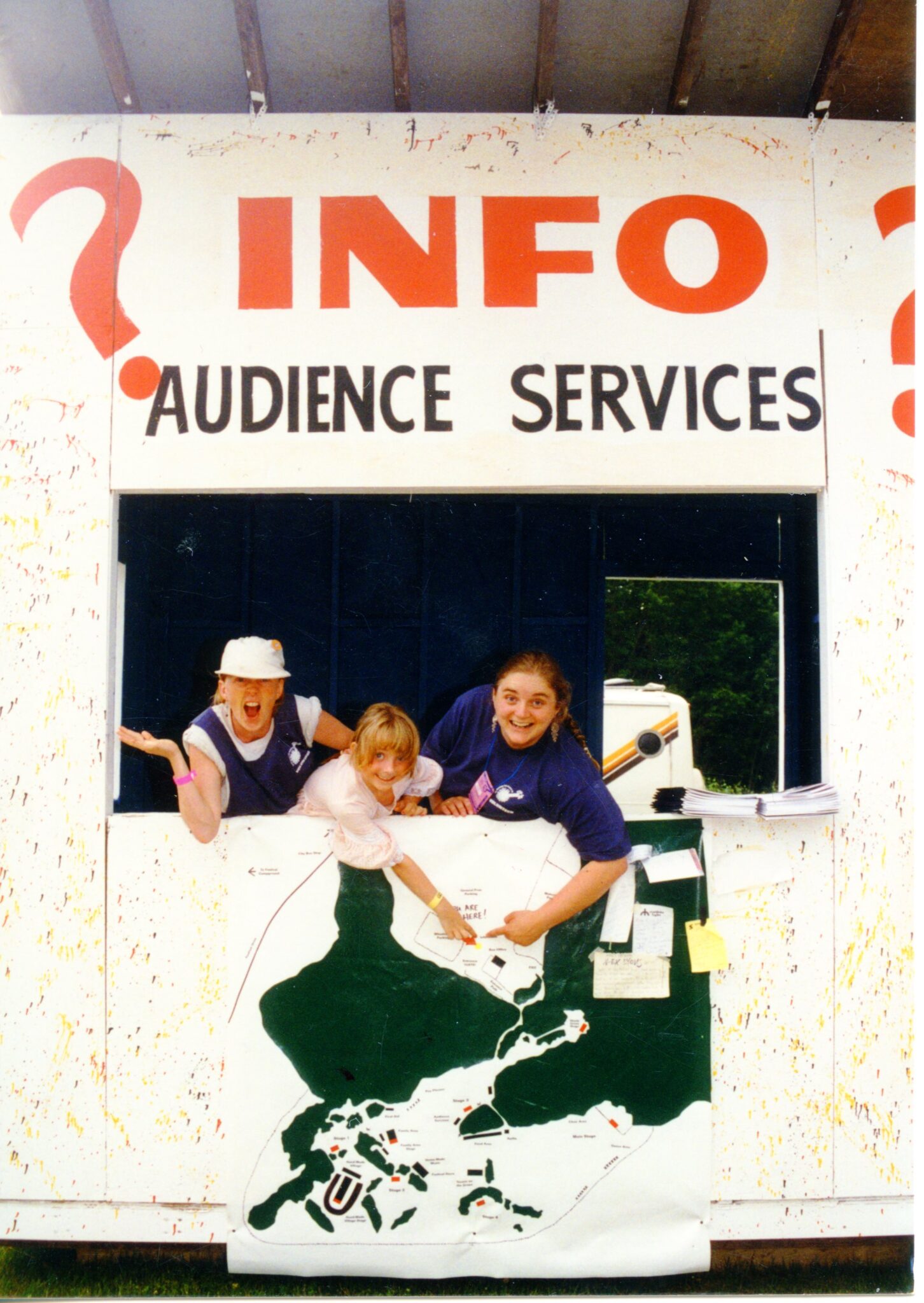
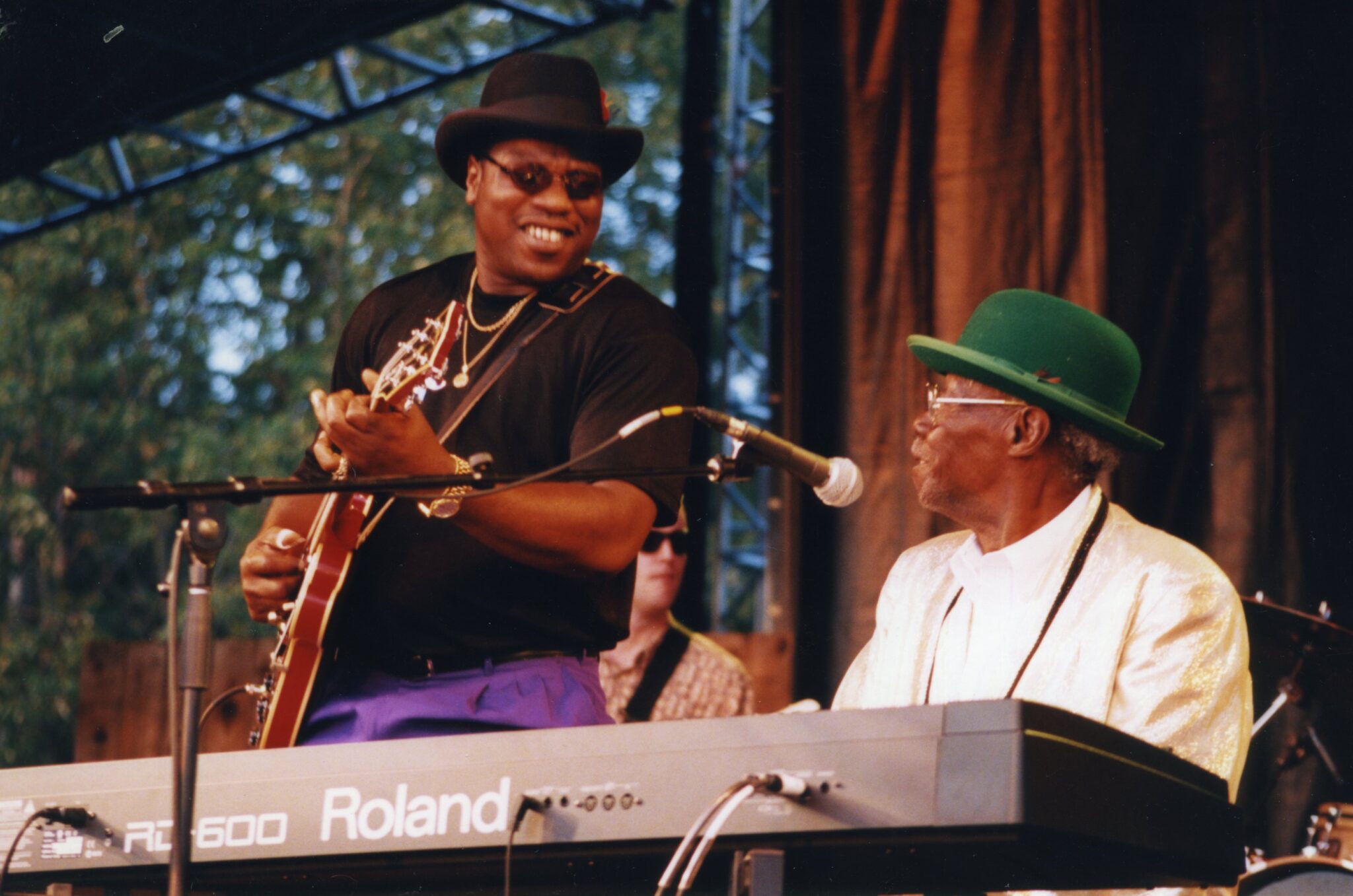
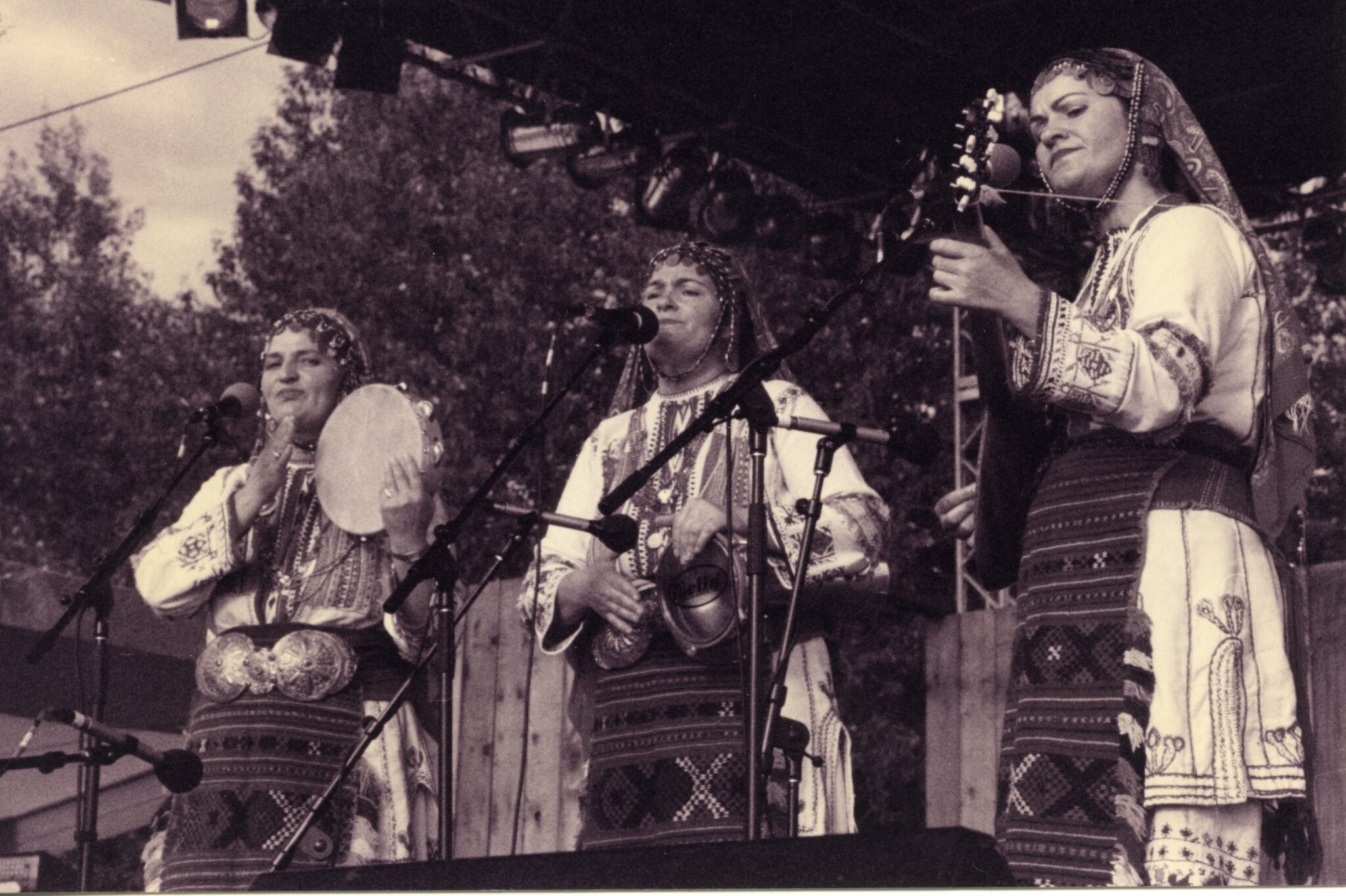
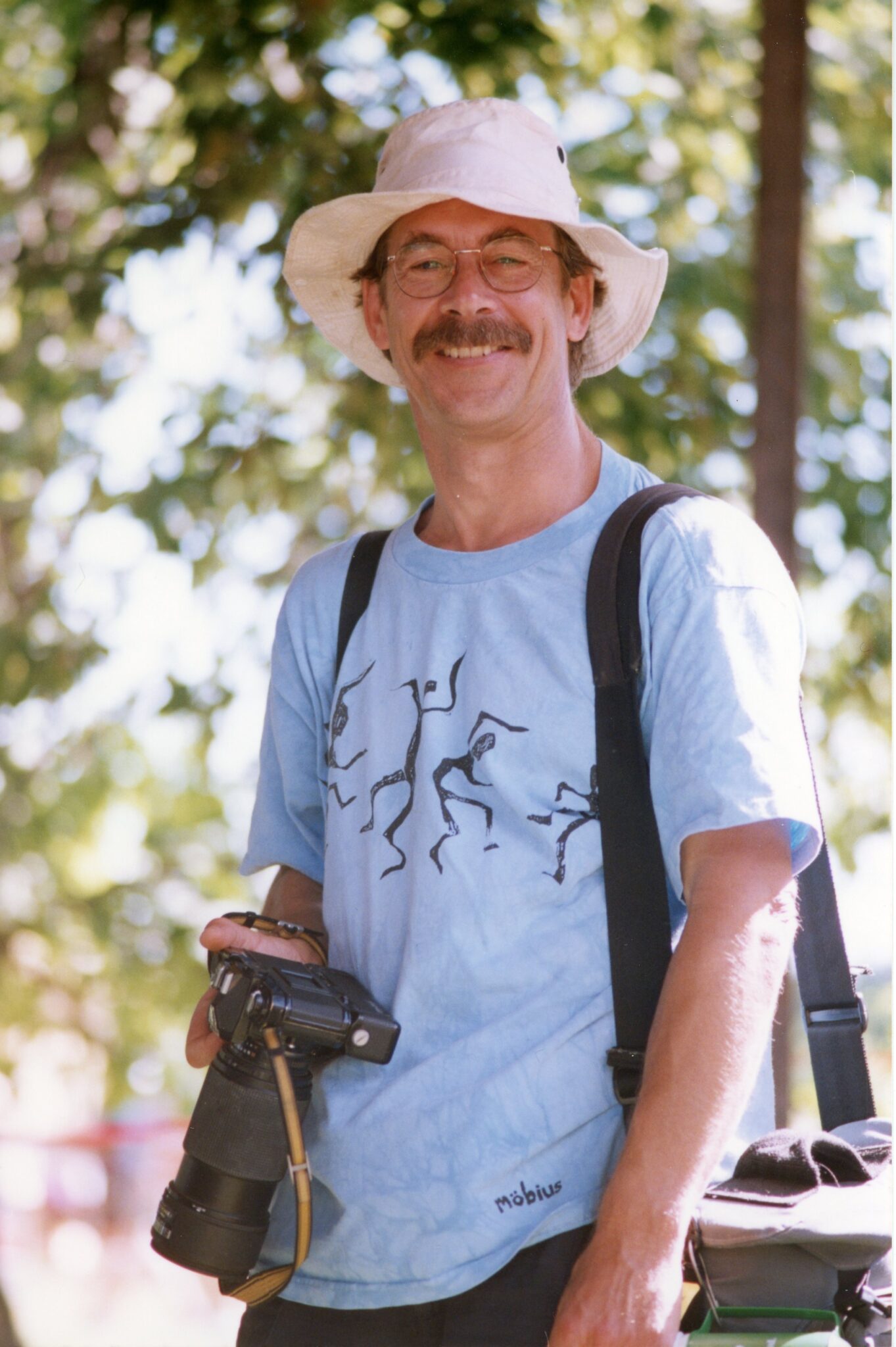
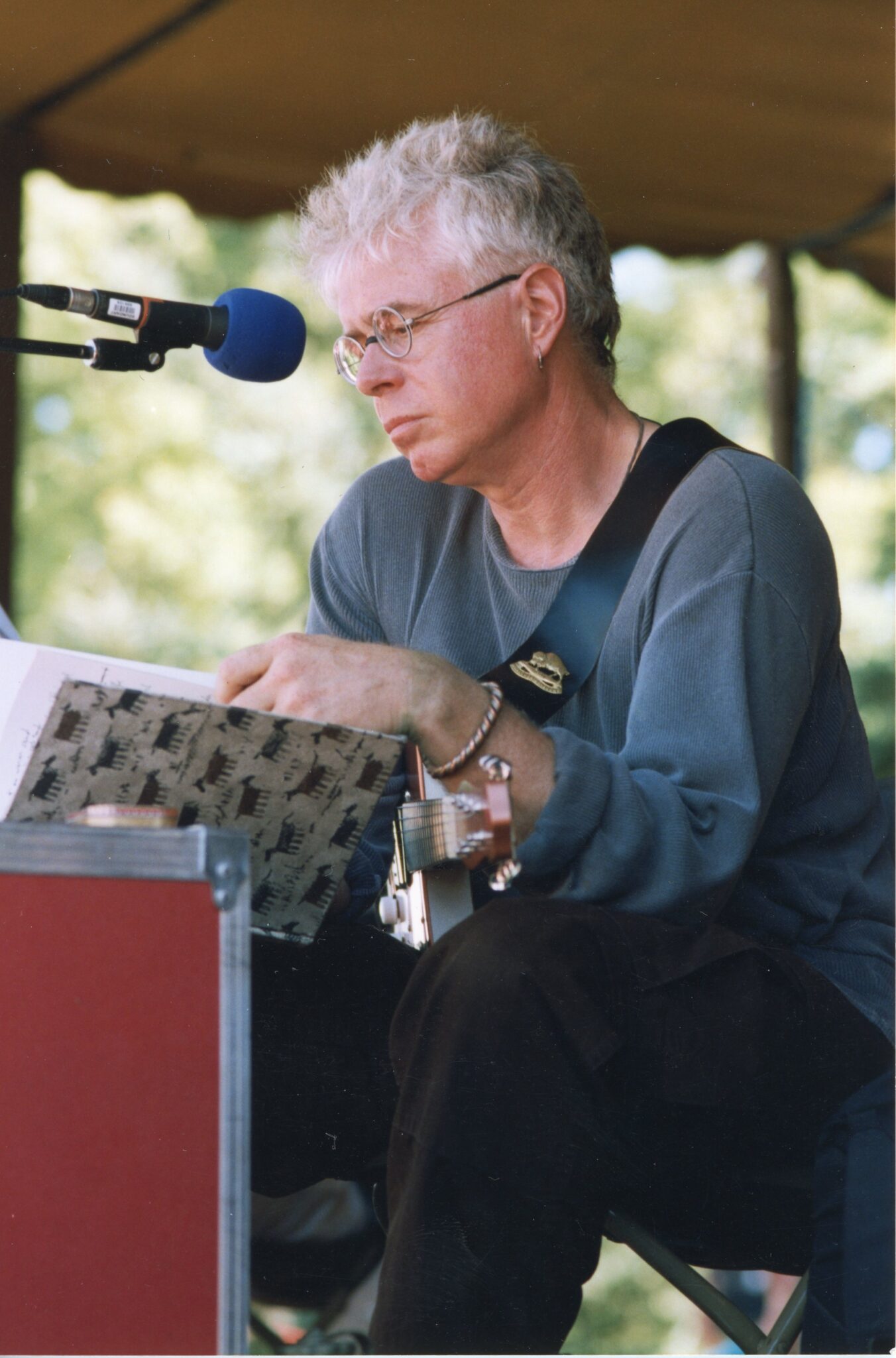
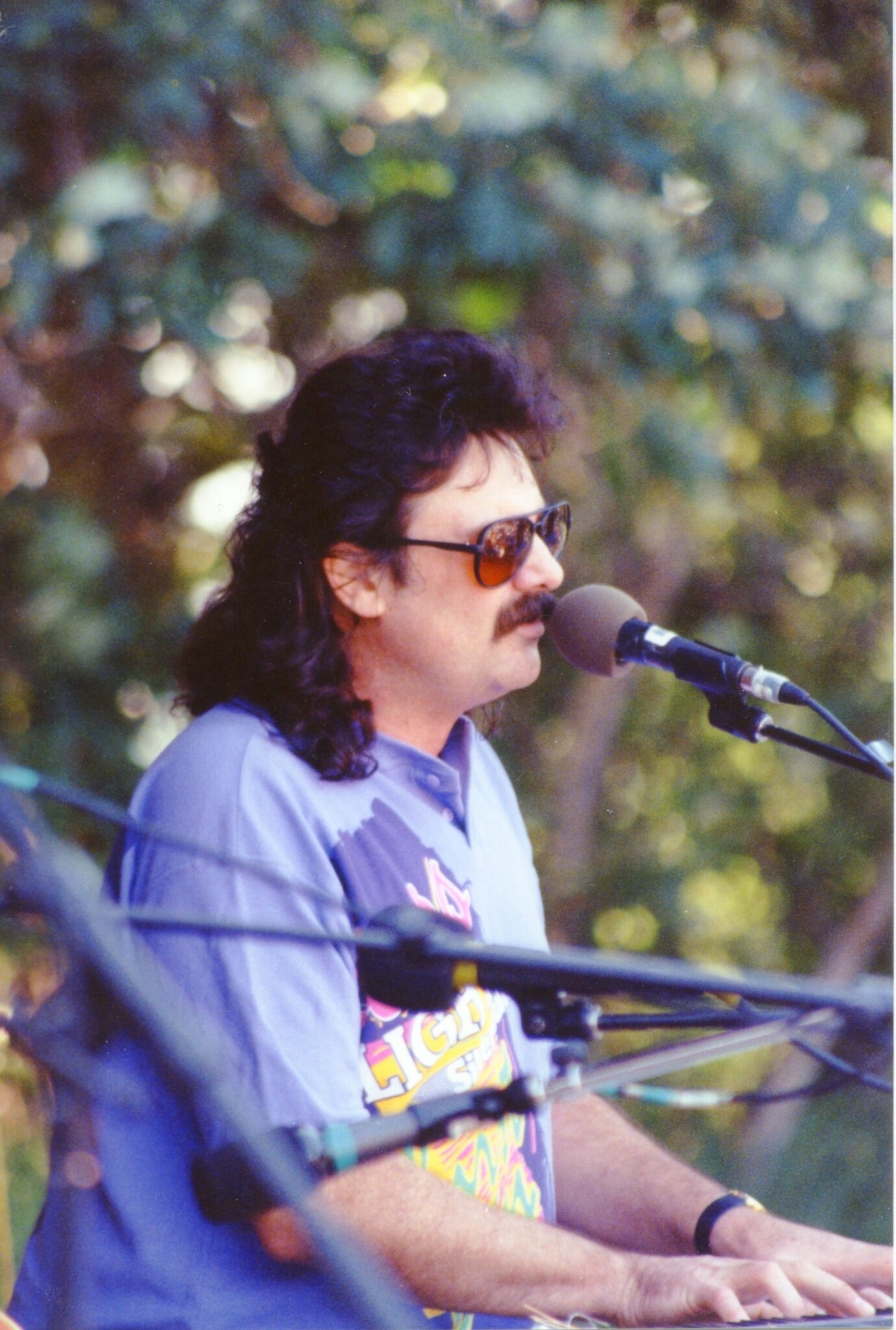
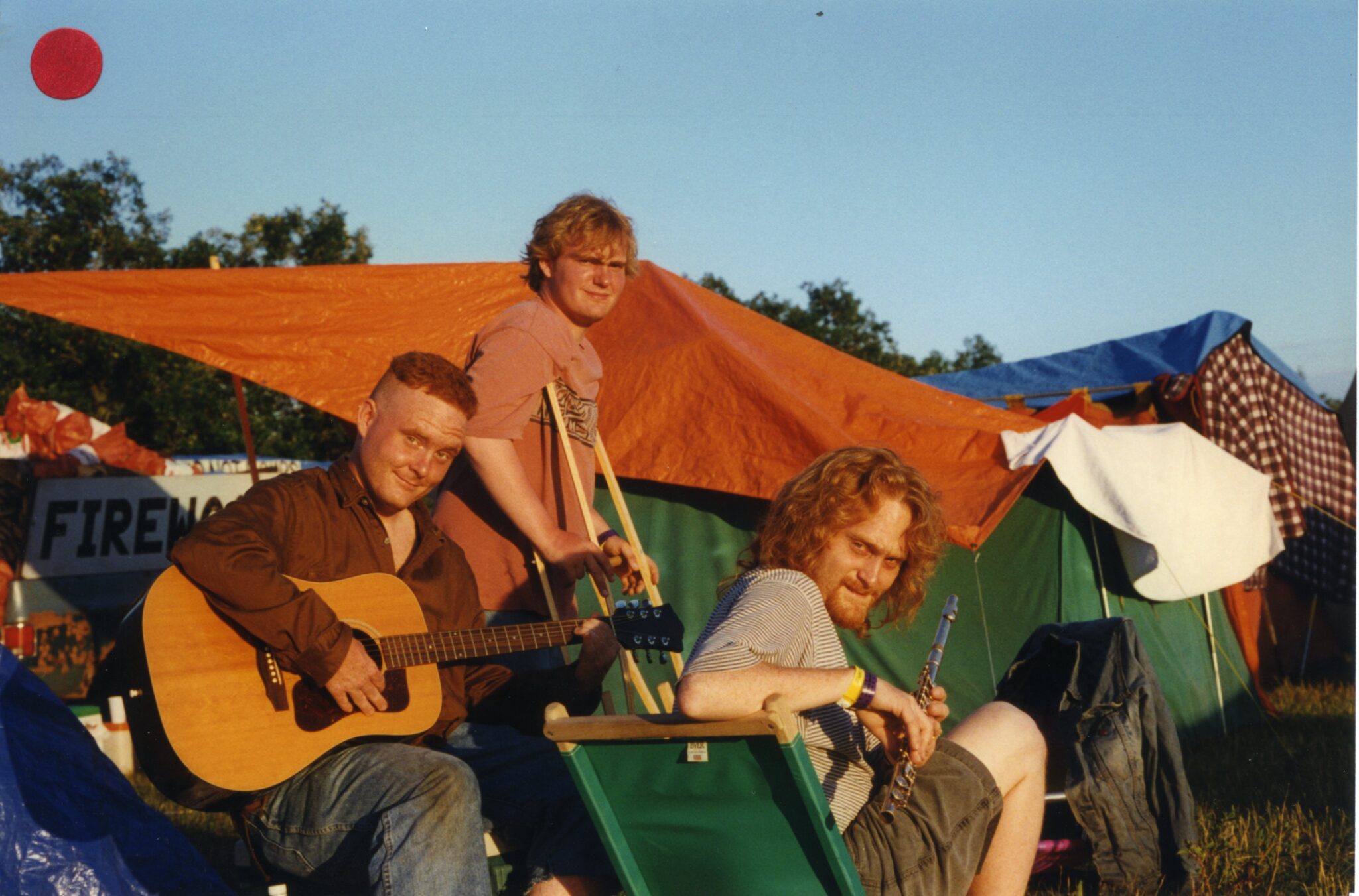
Photographers:
- Ackerman
- Alan Copeland
- Angela Browne
- Bob Epstein
- Chris Procaylo
- Cynthia Noren
- Dan Neil
- Dave McKnight
- David Landy
- Ernest Doroszuk
- Genia Ainsworth
- Ian McCausland
- Wyne
- Jon Kilimnik
- Dueck
- Keith Rach
- Kelli Rey
- Kim Neal Wasserburger
- Len Peterson
- Robert Tinker
- Shona Chornenki
- Tara O’Grady
- Tanya Savickey
- Walter Kaiser
- Yvonna Lewis
Timeline
Keep scrolling for some select highlights from over the years.
1990
17th Edition – July 5-8
4 Days
8 Stages
24,600+ Attendees
103 Artists
787 Volunteers
32 Crews
15 Food Vendors
52 Hand-Made Village Artisans
16 Staff
Artistic Director: Rosalie Goldstein
General Manager: Bill Merritt
Facts:
- Canadian country rock band Blue Rodeo makes the first of three Winnipeg Folk Festival appearances, following the release of their second studio album, Diamond Mine.
- Festival program books, brochures, raffle tickets, and posters are now printed on recycled paper.
1991
18th Edition – July 4-7
4 Days
9 Stages
26,900+ Attendees
117 Artists
745 Volunteers
33 Crews
13 Food Vendors
44 Hand-Made Village Artisans
15 Staff
Facts:
- Pierre Guerin is hired as Artistic Director, though Rosalie Goldstein remains responsible for programming this edition.
- A record 117 acts are booked this year—second only to 1983 for the most acts this decade.
- Festival stages host Haitian group Boukman Eksperyans and African singer Salif Keita.
- Texas country rocker Steve Earle cancels his performance at the last minute due to personal reasons.
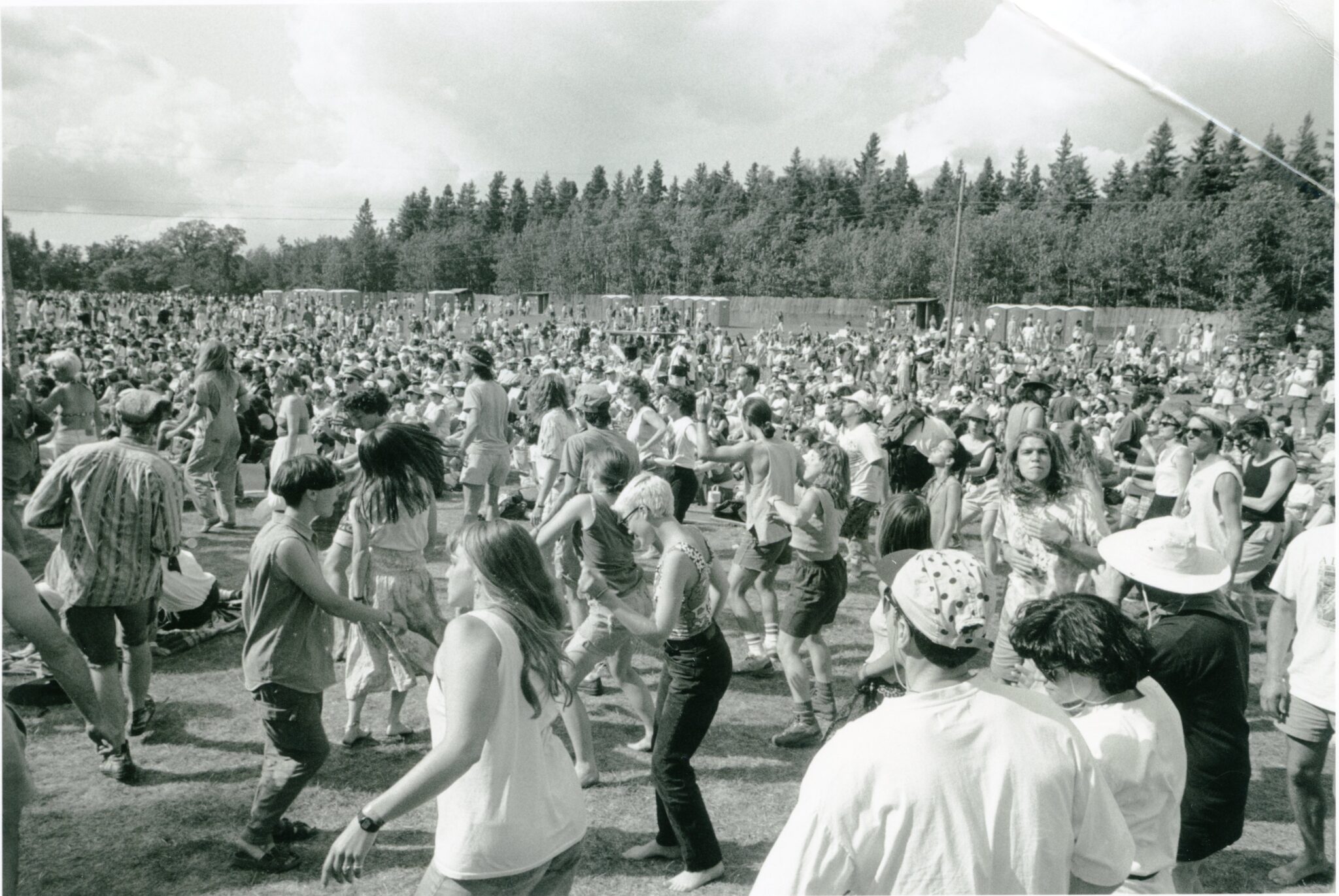
- The Festival introduces its first official dance area—still in use today.
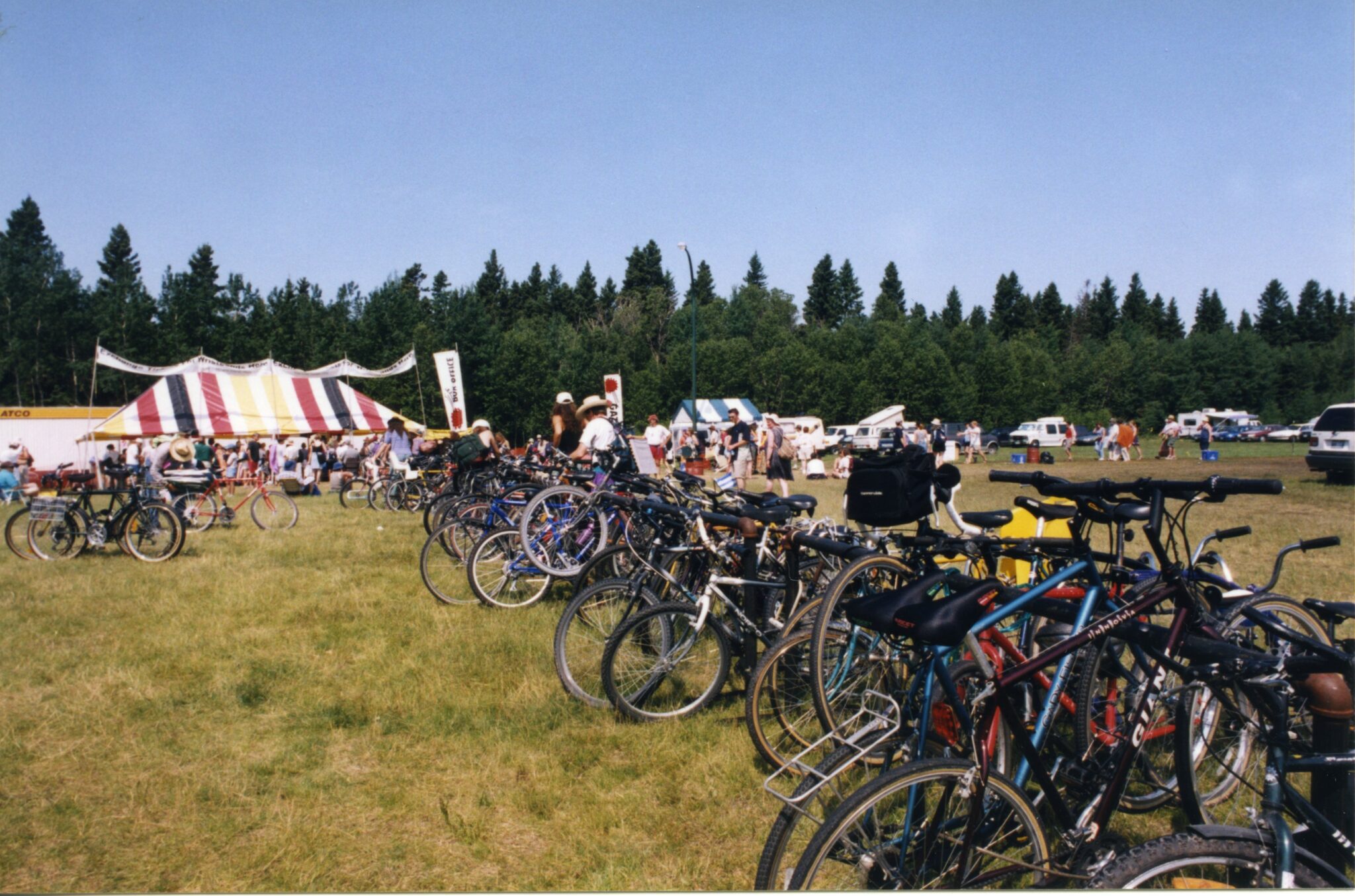
- Earth Corps is invited to bring 200–300 bikes for folkies to ride around the site.
- Inuit throat singers and stone carvers from Rankin Inlet perform at the new First Peoples Village.
1992
19th Edition – July 9-12
4 Days
9 Stages
27,500+ Attendees
104 Artists
768 Volunteers
34 Crews
14 Food Vendors
55 Hand-Made Village Artisans
Fun Facts:
- Ani DiFranco begins her rise to fame, performing at Canadian folk festivals—including her first of six Winnipeg Folk Festival appearances. (Her seventh will be in 2025.)
- The Festival erases its $60,000 deficit.
- “People and Music” becomes the Festival’s new slogan and endures to this day.
1993
20th Edition – July 8-11
4 Days
8 Stages
30,500+ Attendees
96 Artists
786 Volunteers
33 Crews
13 Food Vendors
58 Hand-Made Village Artisans
Fun Facts:
- This marks the Festival’s 20th anniversary.
- Video screens are added to the sides of Main Stage.
1994
21st Edition – July 7-10
4 Days
8 Stages
29,000+ Attendees
98 Artists
854 Volunteers
40 Crews
14 Food Vendors
60 Hand-Made Village Artisans
Fun Facts:
- Burton Cummings of The Guess Who makes a surprise Festival debut on Friday night with friends MacLean & MacLean.
- The first-ever Glass Banjo Award is presented to longtime volunteers Karen Dana and Leslie Hambleton, who were both La Cuisine Coordinators.
- To raise funds, the Festival sells souvenir license plates, a cookbook, and a lottery calendar.
- The number of Hand-Made Village Artisans reaches 60 for the first time.
1995
22nd Edition – July 6-9
4 Days
8 Stages
29,500+ Attendees
88 Artists
913 Volunteers
40 Crews
14 Food Vendors
67 Hand-Made Village Artisans
Fun Facts:
- The Hand-Made Village welcomes 67 artisans—a number that remains steady for the rest of the decade.
- Festivalgoers enjoy hot air balloon rides for just $5 each.
1996
23rd Edition – July 11-14
4 Days
8 Stages
29,500+ Attendees
98 Artists
976 Volunteers
42 Crews
14 Food Vendors
67 Hand-Made Village Artisans
Fun Facts:
- A storytelling tent is added to the Family Area.
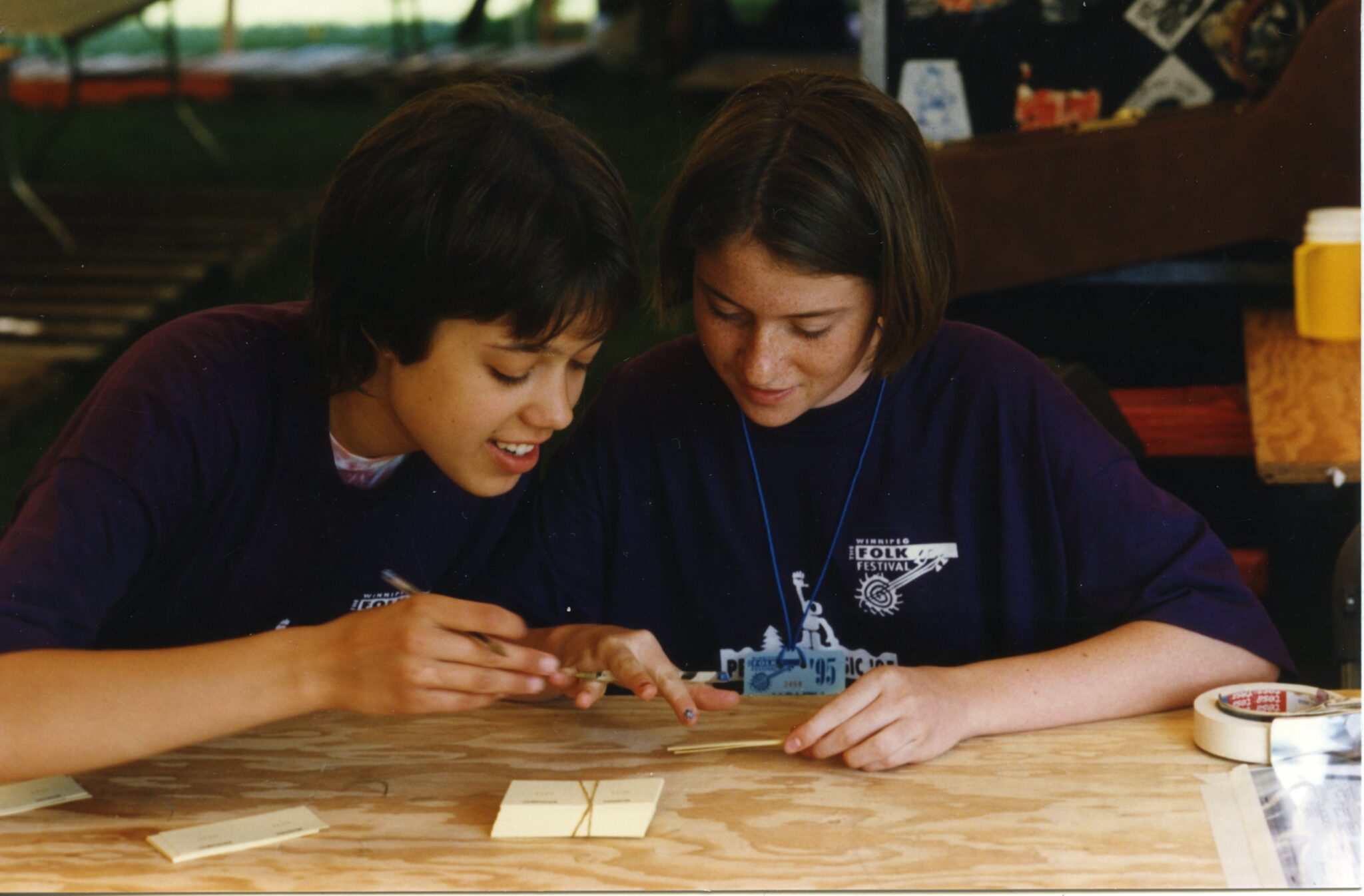
- The popular Apprentice Program is launched, guided by coordinators Karen Dana and Leslie Hambleton. The Apprentice Crew is a training program that offers an opportunity for youth (13-17 years old) to become familiar with the festival through placement with a variety of crews.
1997
24th Edition – July 10-13
4 Days
8 Stages
29,700+ Attendees
82 Artists
1,067 Volunteers
44 Crews
15 Food Vendors
67 Hand-Made Village Artisans
Fun Facts:
- A reading tent is added to the Family Area.
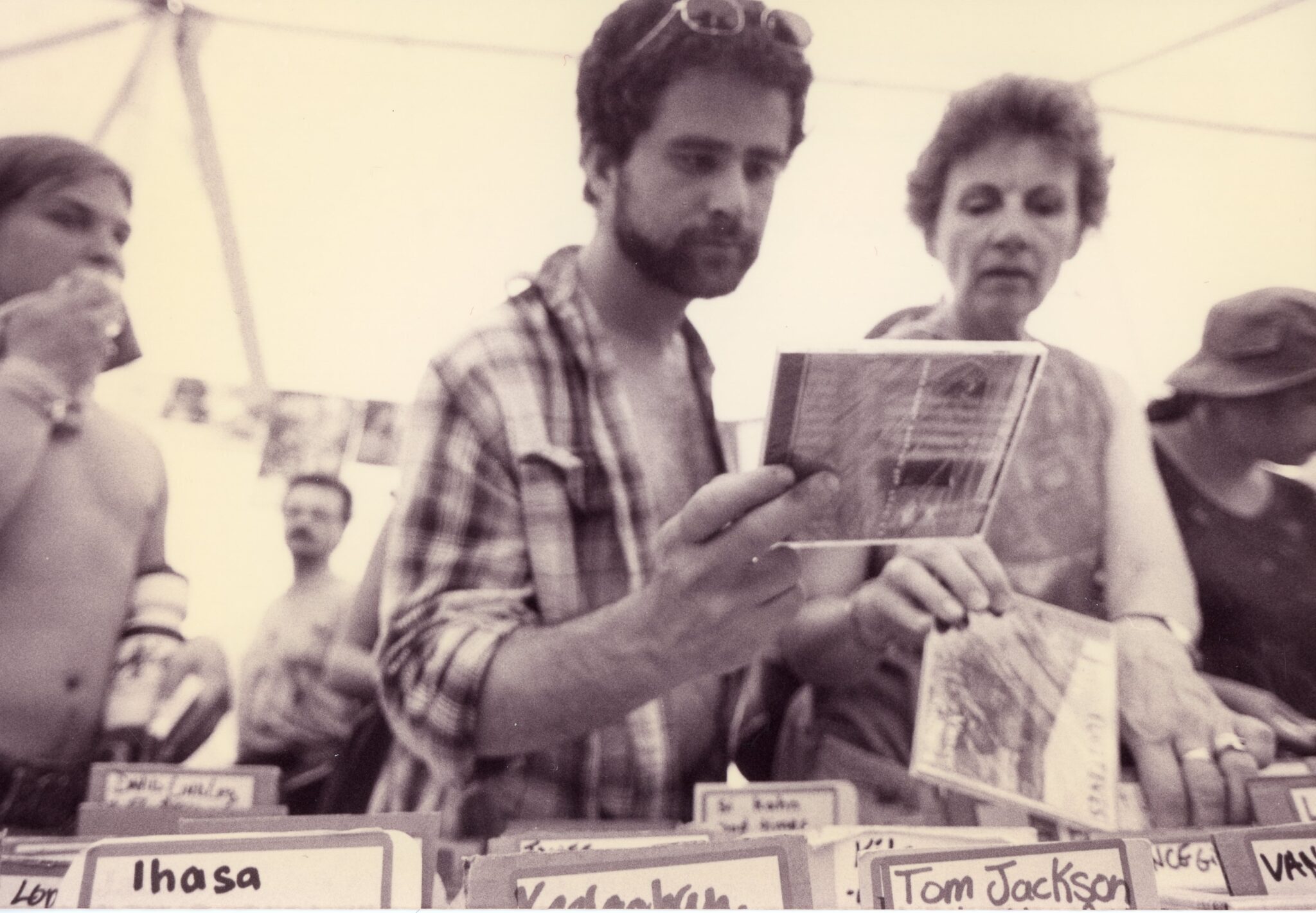
- Home Made Music Store sets up a satellite tent on site for the first time, selling artist albums to festivalgoers.
- The Festival becomes the first Ecologo Certified Green Event in Canada, recognizing its environmental leadership.
1998
25th Edition – July 9-12
4 Days
8 Stages
37,000+ Attendees
101 Artists
1,290 Volunteers
46 Crews
13 Food Vendors
67 Hand-Made Village Artisans
Fun Facts:
- The Festival celebrates its 25th anniversary.
- The Staging the Future fundraising campaign launches to improve the Festival site at Birds Hill Provincial Park.
- A live Festival CD is released, recorded during the 1997 Festival.
- Bruce Cockburn returns after a 14-year hiatus.
- Highest attendance of the decade, reaching over 37,000.
- The weekend sees the highest average temperature in Festival history: 31°C.
1999
26th Edition – July 8-11
4 Days
8 Stages
32,000+ Attendees
82 Artists
1,341 Volunteers
47 Crews
17 Food Vendors
67 Hand-Made Village Artisans
Fun Facts:
- Steve Earle finally makes his Winnipeg Folk Festival debut and apologizes for missing his 1991 slot. He returns in 2006.
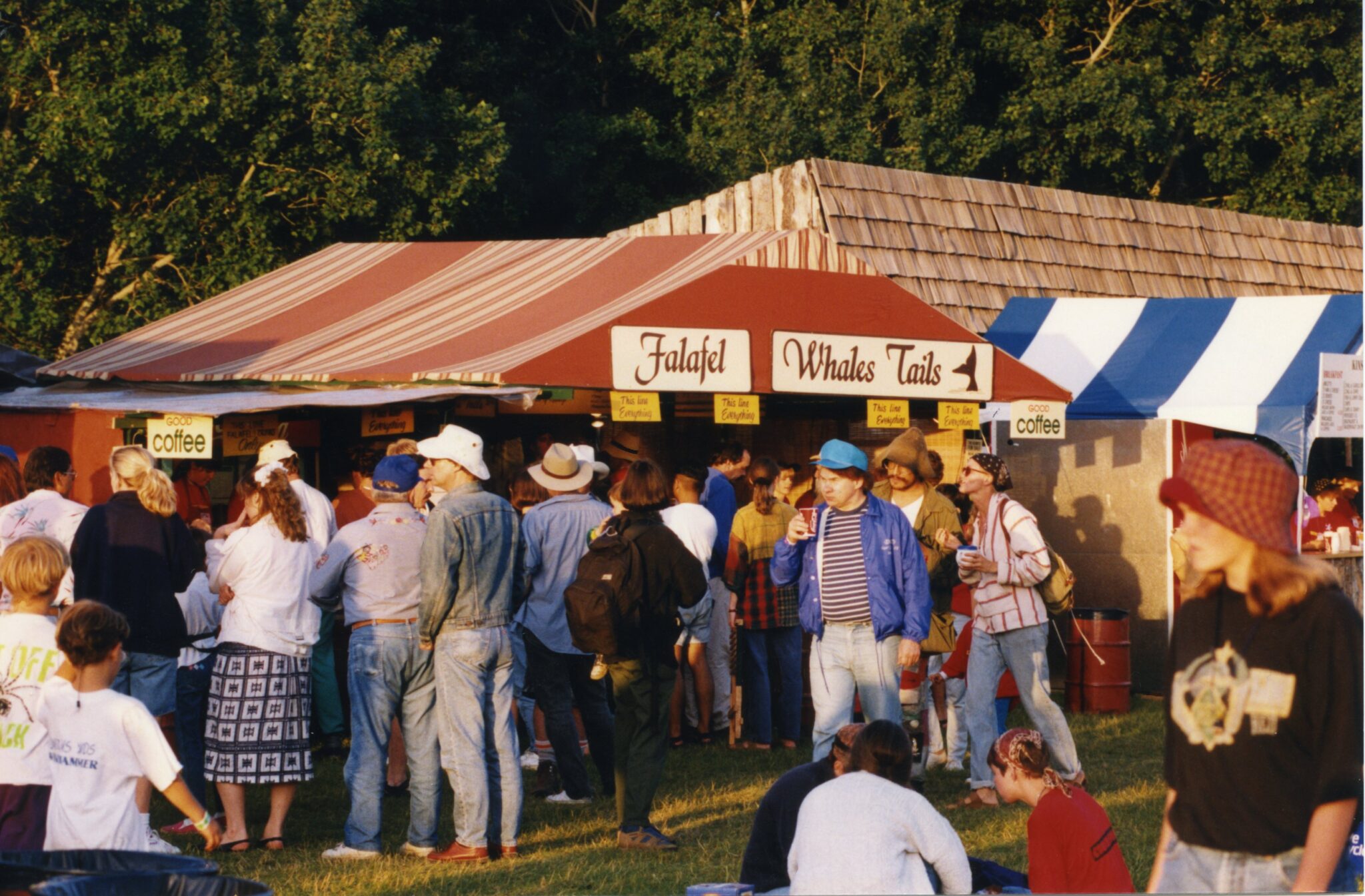
- The Festival reached the highest number of food vendors in its history at that point.


You must be logged in to post a comment.